
Can Dogs Eat Cranberries? Vet Warning Most Dog Owners Ignore in 2026
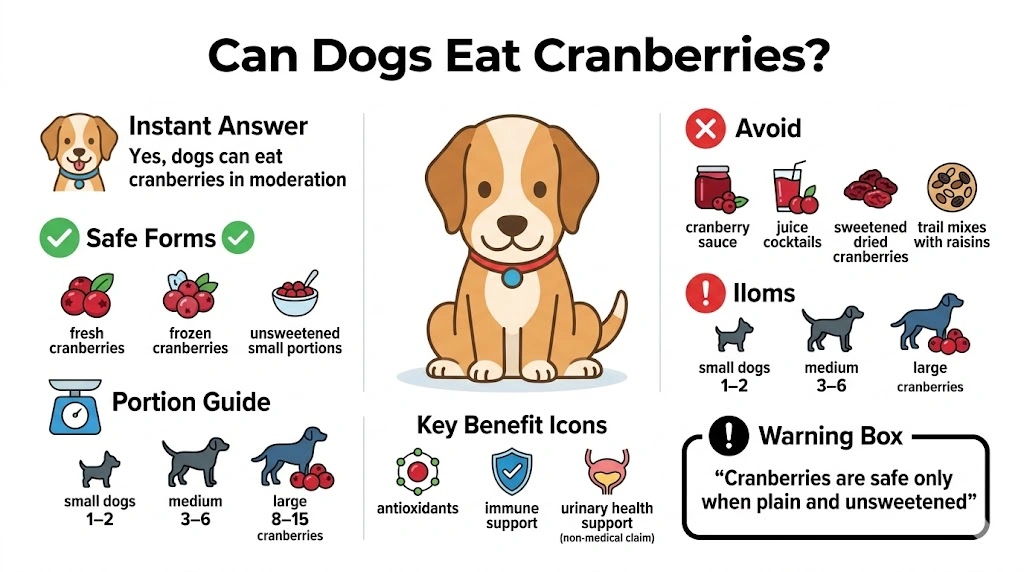
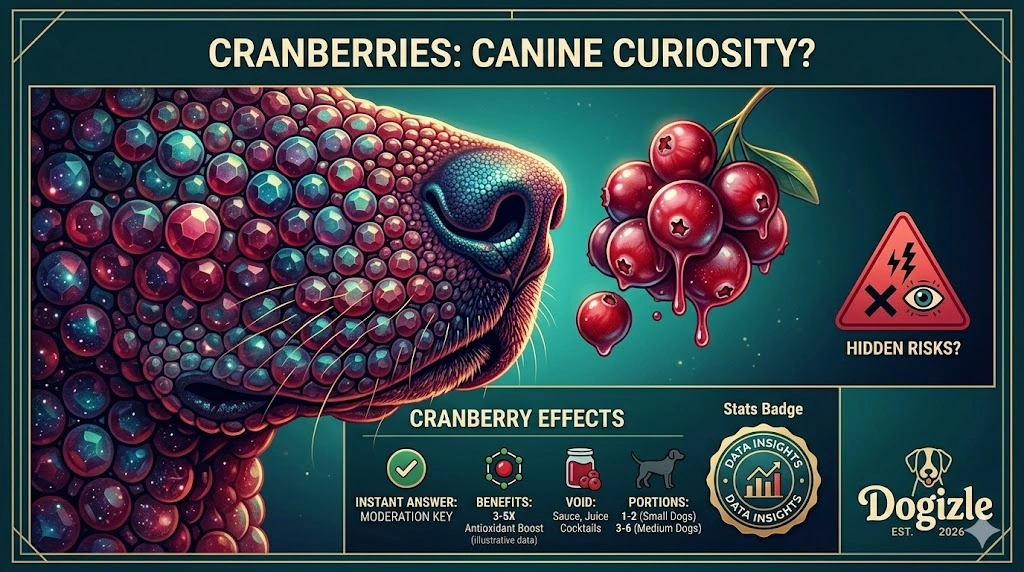
Yes — dogs can eat Cranberries safely, but only in moderation and only when they are served in plain form.
Fresh cranberries are not considered toxic to dogs, and they may even provide some nutritional value when offered correctly. The real concern is not the fruit itself, but the way it is processed. Many cranberry products contain added sugar, artificial sweeteners, preservatives, or other ingredients that can be harmful to dogs. That means cranberry sauce, cranberry juice cocktails, and sweetened dried cranberries are often poor choices for canine consumption.
The simplest rule is this: plain cranberries are generally safe, processed cranberry products are often risky.
In this guide, you will learn exactly how cranberries fit into a dog’s diet, what benefits they may offer, which products to avoid, how much is appropriate, and when cranberries should be skipped altogether.
What Happens If a Dog Eats Too Many Cranberries?
Dog owners today are more mindful than ever about nutrition, wellness, and natural treats. Cranberries often appear on lists of “Healthy foods,” and that makes them look appealing as a snack for pets. However, a food that is healthy for humans is not always automatically safe for dogs. In fact, many pet owners accidentally share the wrong cranberry product without realizing it.
This article is designed to help you make smart, confident feeding decisions. It will show you:
- What cranberry forms are safe for dogs
- What cranberry forms are unsafe
- How much cranberry is too much
- Which dogs should avoid cranberries
- How Cranberries May Support Health Without Replacing Veterinary Care
The goal is simple: help you feed your dog safely and avoid common mistakes.
Are Cranberries Good for Dogs?
Yes, cranberries can be a healthy occasional treat for dogs when they are plain, fresh, and given in small portions.
Cranberries are naturally low in calories and contain useful plant compounds. They are not a magical superfood, and they should not be treated like a medicine, but they can still play a small role in a balanced canine diet. When used correctly, cranberries may provide antioxidant support, mild digestive support, and some urinary tract support.
That said, cranberries should never become a daily staple or a major part of your dog’s meals. Think of them as an occasional supplement-style treat rather than a core food.
Key Health Benefits of Cranberries for Dogs
1. Rich in Antioxidants
Cranberries contain antioxidants, which are compounds that help protect cells from damage caused by oxidative stress. In simple terms, antioxidants support overall wellness and may help the body deal with the effects of aging and environmental stress.
For dogs, this does not mean cranberries are a cure-all. It simply means they can contribute a small nutritional bonus when used appropriately.
2. Immune System Support
A strong immune system helps dogs stay healthier and recover better from everyday stressors. Cranberries contain nutrients that may support immune function as part of a broader, balanced diet.
This benefit is best thought of as supportive rather than therapeutic. Cranberries can complement good nutrition, but they cannot replace quality dog food, exercise, hydration, and veterinary care.
3. Anti-Inflammatory Potential
Some dog owners look at cranberries as a natural food with mild anti-inflammatory properties. While cranberries are not a treatment for inflammation, they may be a useful addition for older dogs or dogs that benefit from a varied, nutrient-rich treat rotation.
Again, this is about support, not treatment. If a dog has chronic inflammation, pain, or mobility issues, a veterinarian should guide the care plan.
4. Oral Health Support
Cranberries are sometimes discussed in relation to oral hygiene because they may help reduce the ability of certain bacteria to stick to surfaces. In theory, that means they could have a small role in supporting better mouth health.
However, cranberries are not a substitute for brushing your dog’s teeth, dental chews, or professional cleanings when needed. They may support the bigger picture, but they are not a dental solution.
5. Urinary Health Support
One of the most commonly discussed benefits of cranberries is their possible role in urinary tract support. Cranberries may help make it harder for some bacteria to adhere to the bladder wall.
That said, this is where many pet owners misunderstand the fruit. Cranberries do not treat urinary tract infections. They may support urinary health in a general wellness sense, but they are not a replacement for antibiotics, testing, or veterinary diagnosis.
If your dog has signs of a urinary problem, such as frequent urination, straining, blood in the urine, or discomfort, contact a vet promptly.
The Biggest Mistake Dog Owners Make
The most common mistake is assuming that every cranberry product is equally safe.
That is not true.
A plain cranberry is very different from cranberry sauce, sweetened dried cranberries, juice blends, or snack mixes. The problem is usually not the cranberry itself. The problem is the extra sugar, additives, and dangerous companion ingredients that often come with it.
Dangerous Cranberry Products
Cranberry Sauce
Cranberry sauce is usually loaded with sugar, and some versions also contain spices or flavorings that are not appropriate for dogs. Even a small amount may upset your dog’s stomach, and the high sugar content makes it a poor treat.
Cranberry Juice Cocktails
Many cranberry drinks on store shelves are not pure cranberry juice. They are often diluted with sweeteners, fruit juice concentrates, or flavor additives. Some may also contain ingredients that are unsafe for dogs.
Sweetened Dried Cranberries
Dried cranberries are often heavily sweetened. Because they are dehydrated, the sugar concentration can be much higher than in fresh fruit. That makes overfeeding easier and increases the risk of digestive upset.
Trail Mix With Raisins
This is especially important. Some trail mixes combine cranberries with raisins. Raisins are highly toxic to dogs, even in small amounts, and can cause serious kidney injury. If cranberries are mixed into human snack blends, do not assume the mix is safe.
The safest strategy is to read labels carefully and offer only plain, dog-appropriate forms.
Safe vs Unsafe Cranberry Types
Here is a simple breakdown of which cranberry forms are more appropriate and which ones should be avoided.
| Cranberry Type | Safe? | Notes |
| Fresh cranberries | ✅ Yes | Best option, plain and unprocessed |
| Frozen cranberries | ✅ Yes | Good occasional treat, especially in warm weather |
| Unsweetened dried cranberries | ⚠️ Limited | Only if plain and free from additives |
| 100% cranberry juice | ⚠️ Rare use | Must be unsweetened and offered sparingly |
| Cranberry sauce | ❌ No | Usually, too much sugar |
| Trail mix with cranberries | ❌ No | May contain raisins or other harmful ingredients |
A useful rule of thumb is this: the more processed the cranberry product is, the less suitable it becomes for dogs.
How Many Cranberries Can Dogs Eat?
Portion size matters a lot.
Even safe foods can create problems when the portion is too large. Cranberries are acidic, and too many at once can lead to digestive upset. For that reason, moderation is the keyword.
Safe Feeding Guide
| Dog Size | Weight | Safe Amount |
| Small dogs | 2–10 kg | 1–2 cranberries |
| Medium dogs | 10–25 kg | 3–6 cranberries |
| Large dogs | 25+ kg | 8–15 cranberries |
These amounts should be treated as an occasional treat guideline, not a daily requirement.
A helpful principle is the 10% rule: treats should not make up more than 10% of your dog’s total daily calories. The other 90% should come from a complete, balanced diet.
If your dog is small, sensitive, or has a medical condition, it is wise to start with an even smaller amount and watch for any digestive reaction.
Can Dogs Drink Cranberry Juice?
Sometimes, but only under very strict conditions, and even then, rarely.
Most cranberry juice products are not appropriate for dogs because they contain sugar, fruit blends, preservatives, or artificial sweeteners. Dogs do not need juice in their diet, and many juice products are formulated for human taste rather than pet safety.
Cranberry Juice May Be Safer Only If It Is:
- 100% pure cranberry juice
- unsweetened
- free from artificial sweeteners
- free from flavor additives
- served in a very small amount
- diluted with water
Cranberry Juice Should Be Avoided If It Is:
- a juice cocktail
- sweetened
- flavored
- mixed with other fruits
- containing xylitol or other harmful sweeteners
Even when it is technically plain, cranberry juice should be offered sparingly. Whole cranberries are usually a better choice because they are easier to portion and less likely to cause accidental overuse.
Can Dogs Eat Dried Cranberries?
Yes, but with caution.
Dried cranberries are not automatically unsafe, but they are far more concentrated than fresh cranberries and are often sweetened. That combination creates two problems: higher sugar exposure and easier overconsumption.
Dried Cranberries May Be Acceptable Only If:
- They are unsweetened
- They contain no xylitol
- They contain no harmful preservatives
- They are given in tiny amounts
Main Risks of Dried Cranberries:
- high sugar concentration
- stomach upset
- overfeeding
- hidden additives
- confusion with raisin-containing mixes
Dried cranberries should be treated as an occasional, label-checked snack, not a regular treat.
When Cranberries Are Not Safe
Cranberries are not ideal for every dog. Some dogs should avoid them entirely, while others should only have them under guidance.
Avoid cranberries if your dog has:
- diabetes
- kidney disease
- a sensitive digestive system
- a history of food intolerance
- a tendency to eat snacks too quickly
- access to mixed foods with unknown ingredients
Dogs with medical conditions often require dietary precision. Even a small treat can affect blood sugar, digestion, or hydration status.
If you are unsure, it is best to ask a veterinarian before adding any new food.
Best Ways to Feed Cranberries to Dogs
If you decide to give cranberries to your dog, preparation matters.
Simple Feeding Ideas
You can serve cranberries in a few straightforward ways:
- Mix a few plain cranberries into regular Dog Food
- Use them as tiny training treats
- offer a frozen cranberry as a cool-weather or summer snack
- Blend a very small amount into plain dog-safe yogurt
- Mash them lightly and mix with a meal topper
Preparation Tips
- Wash fresh cranberries thoroughly
- serve them plain
- remove any stems or debris
- Cut larger pieces when needed
- introduce them slowly
- Monitor your dog for any stomach reaction
The simpler the preparation, the safer the treat.
Cranberries and UTIs in Dogs: What Is True and What Is False
This is one of the most misunderstood topics among dog owners.
What Is True
Cranberries may help create an environment that is less friendly to some bacteria, especially in the urinary tract. That is why they are often discussed in relation to bladder and urinary wellness.
What Is False
Cranberries do not cure urinary tract infections.
They do not replace a veterinarian’s diagnosis.
They do not eliminate the need for medication when an infection is present.
If your dog is showing signs of a UTI, cranberries are not enough. Your dog may need a urine test, a medical exam, and a treatment plan from a vet.
Think of cranberries as a possible wellness support food, not as a treatment.
Real-Life Dog Owner Scenarios
Sometimes it helps to think in practical terms.
Apartment Dogs
For dogs that live in apartments and get fewer opportunities for outdoor exploration, cranberries can be used as a tiny, low-calorie training reward. The small size makes them easy to portion, especially for indoor obedience work.
Cold Regions
In colder climates, some owners like the idea of using nutrient-rich foods during the winter season. Cranberries can fit into that routine as an occasional treat, especially when the goal is variety rather than volume.
Busy Owners
If you have a full schedule, pre-portioning treats can help prevent accidental overfeeding. Cranberries are easy to count and store, which makes them a convenient option for controlled snacking.
These examples show that cranberries can work in many lifestyles when they are used responsibly.
Side Effects of Too Many Cranberries
Even though cranberries are generally safe in moderation, too much can lead to unwanted symptoms.
Possible Side Effects
- diarrhea
- vomiting
- stomach pain
- gas
- appetite loss
- temporary digestive discomfort
Cranberries are acidic, and some dogs are more sensitive than others. Overdoing any treat can upset the digestive tract, especially if the dog is not used to that food.
If your dog has eaten too many cranberries and develops severe vomiting, persistent diarrhea, or unusual behavior, contact a veterinarian.
Common Mistakes Dog Owners Make
A lot of cranberry-related problems come from simple misunderstandings. Here are the most common ones.
Feeding Cranberry Sauce
Many people assume cranberry sauce is a harmless fruit condiment. In reality, it usually contains too much sugar and is not a good choice for dogs.
Ignoring Sugar in Dried Fruit
Dried fruit can appear natural and healthy, but sweetness and density are major concerns. A small handful can contain much more sugar than you expect.
Overfeeding Daily
Just because a food is safe does not mean it should be given every day. Cranberries are best used occasionally, not as a routine staple.
Mixing With Toxic Raisins
This is a serious mistake. Any mix that contains raisins should be considered unsafe, even if cranberries are also present.
Not Reading Labels
The ingredient list matters. Dogs do not need flavoring, sweeteners, or preservatives in their cranberry snacks.
Smart label reading is one of the easiest ways to protect your dog.
Expert Vet-Informed Tips
Here are practical feeding principles that help keep cranberry treats safe and sensible.
Introduce Slowly
Start with just one or two cranberries and see how your dog reacts. This is especially important for small breeds and sensitive stomachs.
Monitor Digestion
Watch for signs of loose stool, vomiting, abdominal discomfort, or reduced appetite after the first serving.
Feed Occasionally, Not Daily
A safe treat is not necessarily a daily treat. Cranberries make more sense as an occasional snack or food topper.
Check Labels Every Time
Do not assume the package is safe because the product sounds healthy. Ingredients can vary widely from one brand to another.
Use Cranberries as a Supportive Food
Cranberries can complement a healthy feeding routine, but they should not be treated as a cure, supplement, or treatment plan.
Pros and Cons Summary
Pros
- low calorie
- rich in antioxidants
- may support urinary wellness
- can be used in tiny training portions
- easy to serve plain
Cons
- may upset sensitive stomachs
- Processed products often contain sugar
- Juice and sauce can be unsafe
- not appropriate for every dog
- Too much may cause digestive problems
This balance is important. Cranberries can be useful, but only when they are handled carefully.
FAQs
Yes, dogs can eat cranberries in the UK or EU as long as they are plain, unsweetened, and served in moderation. The country does not change the basic safety rule: fresh cranberries are generally fine, while processed cranberry products should be checked carefully for sugar, additives, and other harmful ingredients.
No, cranberries themselves are not toxic to dogs. The concern is usually not the fruit, but the product it comes in. Cranberry sauce, sweetened dried cranberries, and juice cocktails can be problematic because of sugar, preservatives, or dangerous additives.
Yes, puppies can eat cranberries in very small amounts, but caution is important. Puppies have developing digestive systems, so they may be more sensitive than adult dogs. Start with a tiny portion and watch closely for any stomach upset.
No, cranberry sauce is not a good choice for dogs. It often contains large amounts of sugar and sometimes other ingredients that are not suitable for pets. It is better to stick to plain cranberries instead.
No, cranberries cannot cure UTIs in dogs. They may support urinary tract health in a general sense, but they are not a replacement for veterinary diagnosis or treatment. A dog with a possible UTI should be examined by a veterinarian.
Yes, dogs can eat frozen cranberries in moderation. They can make a refreshing snack, especially in warm weather. Just make sure they are plain, clean, and served in an appropriate amount for your dog’s size.
Conclusion
Cranberries can be a safe, low-calorie, and occasionally beneficial treat for dogs, but only when they are served in their plain, natural form and given in small, controlled amounts.
The important takeaway is simple: cranberries themselves are not the problem—processing is. Fresh or frozen cranberries may offer mild antioxidant and urinary support benefits. Still, cranberry products like sauces, juices, and sweetened dried fruits often contain sugar, additives, or even dangerous ingredients that can harm your dog.
So, the safest approach is:
- ✔️ Stick to plain cranberries (fresh or frozen)
- ✔️ Feed only in moderation based on dog size
- ✔️ Avoid all sugary or mixed cranberry products
- ✔️ Never use cranberries as a treatment for health conditions
Cranberries should be treated as an occasional treat—not a daily diet staple or medical solution. If your dog has any existing health issues, especially urinary or digestive concerns, it’s always best to consult a veterinarian before introducing new foods.