The Tropical Treat Your Vet Is Desperately Trying To Warn You About
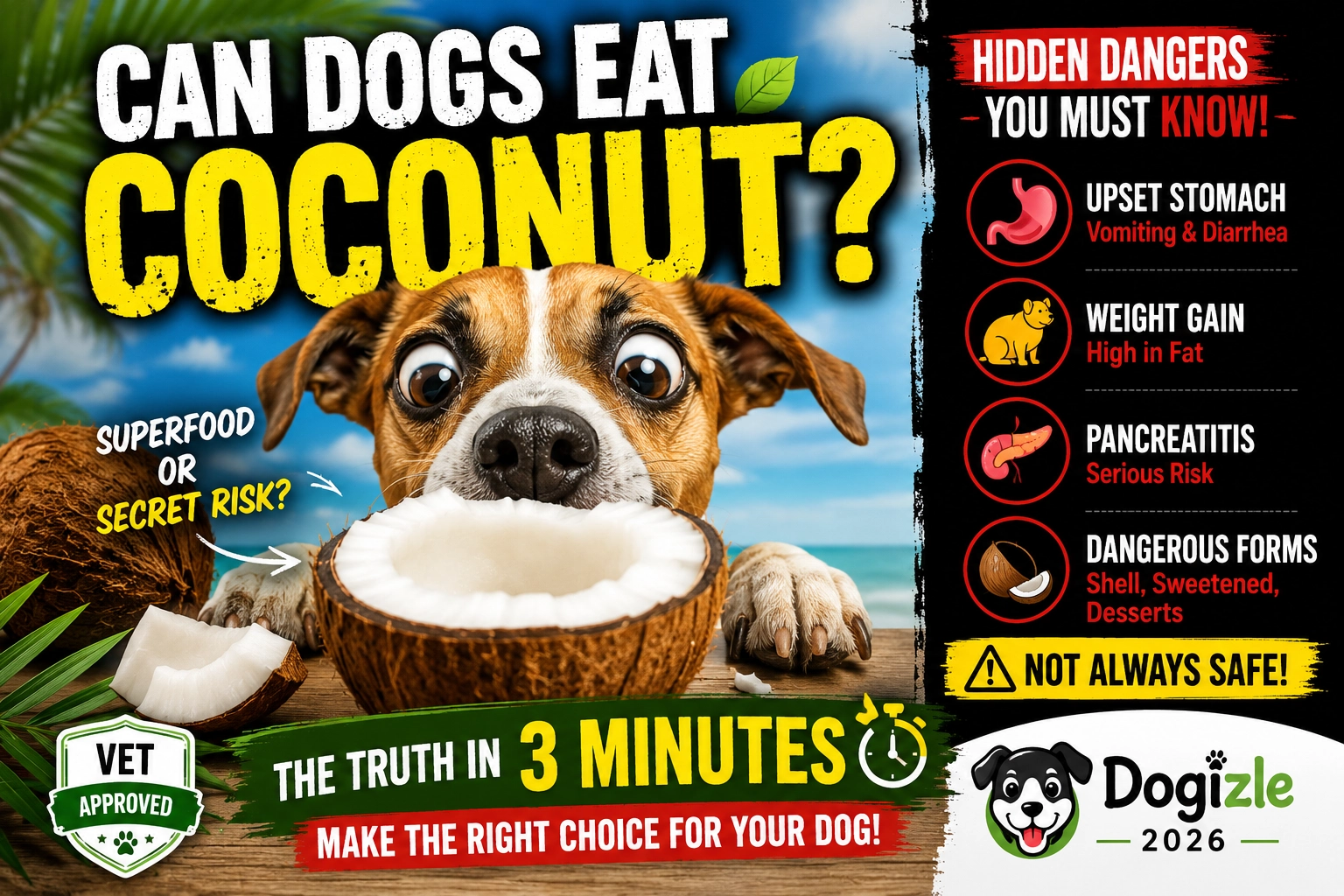
Can dogs eat coconut? Yes — but most owners get it dangerously wrong. Discover exactly what vets warn about, which parts are safe, and the shocking mistakes that send dogs to the ER every year. What you learn here could literally save your dog’s life. Coconut has become one of the most widely used “health” ingredients in modern kitchens. People add it to smoothies, desserts, baked snacks, breakfast bowls, protein bars, hair masks, skin care routines, and even pet-related products. Because coconut appears so often in everyday food culture, many dog owners naturally wonder whether it is safe to share with their pets.
Can dogs eat coconut safely?
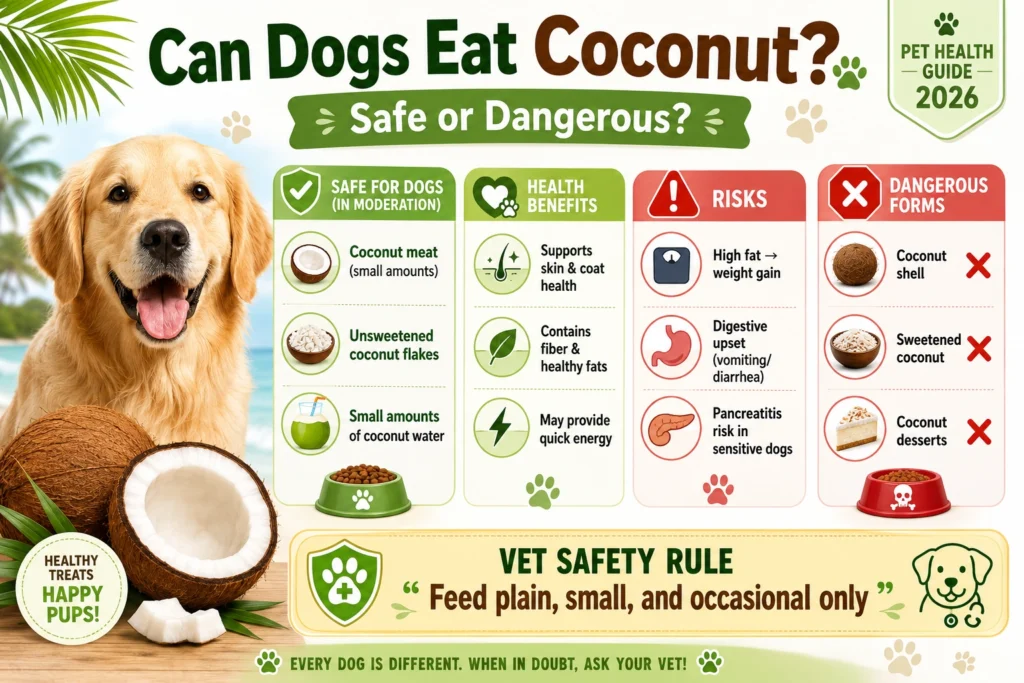
The answer is yes, in moderation. Plain coconut is not considered toxic to dogs, and small portions of fresh coconut meat, unsweetened coconut flakes, and limited amounts of coconut water can usually be given to healthy dogs without trouble. That said, coconut is not a free-for-all snack. It is calorie-dense, high in fat, and potentially irritating to sensitive stomachs. In the wrong amount, it can lead to loose stool, vomiting, gas, bloating, excess weight gain, or more serious concerns, such as pancreatitis in dogs that are already vulnerable.
That is where many online answers fall short. Most pages stop at a simple yes or no. They do not explain what type of coconut is safest, how much is too much, why coconut oil is debated, whether coconut water is appropriate, or what happens if a dog swallows shell fragments.
This guide goes much deeper.
You will learn exactly how coconut fits into a dog’s diet, which coconut products are safe or unsafe, what benefits coconut may offer, what risks matter most, how to serve it responsibly, and what warning signs should send you straight to a veterinarian.
What You’ll Learn in This Guide
In this article, you will discover:
- Whether coconut is safe for dogs
- The possible benefits of coconut for skin, coat, digestion, and energy
- the biggest risks, including fat overload and digestive upset
- How many coconut dogs can be based on size
- whether coconut oil, coconut milk, coconut yogurt, and coconut water are safe
- Which coconut products should never be given
- Whether puppies can eat coconut
- What to do if your dog eats a coconut shell
- vet-style feeding tips that reduce risk
- common mistakes dog owners make with coconut
By the end, you will have a clear, practical answer to the question and a safer way to decide whether coconut belongs in your dog’s treat rotation.
Quick Answer — Can Dogs Eat Coconut?
Yes, dogs can eat coconut in small amounts.
Plain coconut is not poisonous to dogs. Healthy dogs may be able to enjoy a little fresh coconut meat, a small sprinkle of unsweetened coconut flakes, or a tiny serving of coconut water from time to time.
But coconut should stay an occasional treat, not a daily habit. It is naturally rich in fat and calories, which means too much can quickly cause digestive trouble or contribute to obesity. In dogs with sensitive stomachs, a rich coconut snack may be enough to trigger diarrhea, vomiting, or discomfort. In dogs that are prone to pancreatitis, excessive fat intake may be especially risky.
It is also important to remember that many coconut-flavored products are not safe simply because they contain coconut. Coconut sweets, baked goods, flavored drinks, and dessert items often include sugar, chocolate, xylitol, alcohol, dairy, raisins, or other ingredients that are dangerous for dogs.
So the short answer is yes, but the real answer is: only the plain version, only in moderation, and only with the right portion size.
Is Coconut Safe for Dogs?
Yes, plain coconut is generally safe for most healthy dogs.
Unlike foods that are known to be toxic to dogs, coconut does not naturally contain a compound that makes it poisonous in ordinary amounts. That is the good news. The caution comes from the nutritional profile. Coconut is packed with saturated fat, oils, fiber, and calories. Those things are not automatically harmful, but they can become a problem when a dog eats too much or when the dog has a medical condition that affects digestion or fat tolerance.
A food can be non-toxic and still be a poor choice in large quantities. Coconut falls into that category. It is not a poison, but it is also not something dogs should eat freely.
Dogs That Need Extra Caution With Coconut
Some dogs should only have coconut in very small amounts, and some should avoid it unless a veterinarian says otherwise. Extra caution is wise for dogs that are:
- overweight
- prone to pancreatitis
- older and less active
- prone to digestive upset
- dealing with chronic stomach issues
- already eating a high-fat diet
- recovering from illness affecting the pancreas or intestines
For these dogs, even a modest amount of coconut oil or coconut-rich food may be too much.
If a dog has ongoing medical problems, the safest move is to ask a veterinarian before introducing coconut into the diet.
Coconut Nutrition Facts for Dogs
Coconut contains several nutrients that may be useful when offered in small amounts. The exact nutritional profile varies depending on whether the coconut is fresh, dried, flaked, grated, or processed into oil or water.
Here are some of the key components often discussed in coconut nutrition:
- Lauric acid — a fatty acid that has received attention for possible antimicrobial and skin-supporting properties
- MCTs (medium-chain triglycerides) — fats that may be digested differently from longer-chain fats and may provide quick energy
- Fiber — useful for bowel movement regularity in some dogs when fed in appropriate amounts
- Iron — supports normal oxygen transport in the body
- Magnesium — helps support muscle and nerve function
- Selenium — plays a role in antioxidant defense
- Healthy fats — contribute to coat condition and skin moisture when fed correctly
These nutrients sound impressive, but context matters. A complete, balanced dog food already provides the foundation of a dog’s nutrition. Coconut should be treated as a treat or optional addition, not a replacement for proper dog food.
Health Benefits of Coconut for Dogs
Coconut has earned a strong reputation in the wellness world, and some dog owners believe it can support general health. While coconut is not a miracle ingredient, it may offer a few potential advantages when used responsibly.
1. Supports Healthy Skin and Coat
One of the most common reasons owners feed coconut is to support skin and coat quality. The natural fats in coconut may help with dryness, mild flakiness, and a dull-looking coat. Some owners also use coconut oil topically on rough paws or dry patches.
This is especially appealing in colder, drier climates or during winter when indoor heating can make skin feel extra dry. However, the response varies widely from dog to dog. Some dogs seem to benefit, while others show no meaningful change at all.
It is also worth remembering that skin issues can come from allergies, parasites, infections, endocrine disease, or poor nutrition. Coconut may help with comfort, but it does not solve the root cause of every skin problem.
2. Contains Lauric Acid
Coconut contains lauric acid, a fatty acid that has generated interest for its potential antimicrobial and anti-inflammatory properties. This is one reason coconut oil became popular in natural pet care circles.
Still, “popular” does not mean “proven cure.” Coconut may be part of a broader wellness routine, but it should never replace diagnosis, treatment, or professional veterinary care when a dog has a real medical issue.
3. May Provide Quick Energy
Coconut contains fats that can be used as an energy source. In theory, this may be useful for dogs that are highly active and burn through calories quickly. Working dogs, hiking companions, agility dogs, and outdoor adventure dogs may tolerate small amounts better than sedentary dogs because their energy demands are higher.
That does not mean active dogs can eat as much coconut as they want. It only means they may be less likely to gain weight from a tiny occasional portion compared with a low-activity dog.
4. Fiber May Support Digestion
Fresh coconut contains fiber, and fiber can support bowel Regularity in some dogs. A small amount may help improve stool quality for certain pets, especially when their diet is otherwise well-balanced.
But too much fiber can have the opposite effect. In a dog that already has a sensitive stomach, extra coconut fiber paired with fat can lead to gas, loose stool, and general discomfort.
Moderation is the keyword again.
Risks of Coconut for Dogs
Even though coconut is not toxic, it can still cause trouble. The main concerns are not poison-related; they are nutritional and mechanical.
1. High Fat Content
The biggest issue with coconut is fat. Coconut is naturally rich in fat, and fat is calorie-dense. When dogs eat too much, the result may be a mix of stomach upset and weight gain.
Possible reactions include:
- vomiting
- diarrhea
- gas
- bloating
- abdominal discomfort
- reduced appetite
- weight gain over time
Small dogs often feel the effect more quickly because their daily calorie budget is lower. A Snack that seems “tiny” to a human can be a big caloric event for a small breed.
2. Pancreatitis Risk
Pancreatitis is one of the most serious concerns connected to fatty foods. It involves inflammation of the pancreas and can be very painful. In severe cases, it can become a medical emergency.
Dogs with a history of pancreatitis, obesity, or sensitive digestion may be more likely to have trouble with rich foods. Fatty treats are not always the direct cause, but they can be a trigger.
Symptoms of Pancreatitis in Dogs
Watch for signs such as:
- repeated vomiting
- hunched posture
- loss of appetite
- weakness
- stomach pain
- fever
- lethargy
If a dog develops these symptoms after eating coconut or any fatty food, veterinary attention is important.
3. Choking Hazard and Intestinal Blockage
Large chunks of coconut and especially shell fragments can create physical danger. A dog may choke, damage a tooth, or swallow a piece that causes a blockage later.
Coconut shells and husk are not safe chewing materials. They are hard, fibrous, difficult to digest, and potentially sharp. This is one of the clearest coconut-related hazards for dogs.
4. Sweetened Coconut Products Are Dangerous
Many coconut-flavored snacks are unsafe not because of coconut alone, but because of what is added to them. Problem ingredients often include:
- sugar
- chocolate
- xylitol
- raisins
- artificial sweeteners
- alcohol
- macadamia nuts
- dairy-heavy fillings
A coconut dessert that looks harmless to people can be dangerous for dogs.
Coconut Foods Dogs Should Never Eat
Dogs should not eat coconut products that contain harmful additives or risky textures. Unsafe examples include:
- coconut chocolate bars
- coconut candy
- coconut cake
- coconut pastries
- coconut rum desserts
- sweetened coconut flakes
- coconut ice cream
- coconut snacks with xylitol or artificial sweeteners
These products are not just “less ideal.” They can be genuinely dangerous.
Can Puppies Eat Coconut?
Yes, puppies can eat tiny amounts of plain coconut occasionally.
That said, puppies are still developing. Their digestive systems are more delicate than those of adult dogs, and they tend to be more sensitive to rich foods. Their tolerance for fat is lower, and introducing new treats too quickly can easily upset their stomach.
The best approach is to keep the first offering extremely small and plain. Coconut should be treated as an occasional experiment, not a regular part of a puppy’s diet.
Safe Coconut Tips for Puppies
- start with a very small amount
- Choose plain fresh coconut only
- Avoid coconut oil at first
- Do not use sweetened products
- Observe stool quality carefully
- Stop immediately if vomiting or diarrhea appears
If a puppy reacts badly, remove coconut from the diet and speak with a veterinarian if symptoms continue.
Can Dogs Eat Different Coconut Products?
Not all coconut products are equal. Some are much safer than others.
| Coconut Product | Safe for Dogs? | Notes |
| Fresh Coconut Meat | Yes | Best choice in moderation |
| Unsweetened coconut flakes | Yes | Small amounts only |
| Coconut oil | Limited | Very high in fat |
| Coconut water | Sometimes | Only plain and unsweetened |
| Coconut milk | Rarely | Often too fatty |
| Coconut yogurt | Sometimes | Must be sugar-free and xylitol-free |
| Coconut ice cream | No | Often too much sugar and dairy |
| Coconut shell | Dangerous | Choking and blockage risk |
| Sweetened shredded coconut | No | High sugar content |
| Coconut cake or desserts | No | Unsafe ingredients common |
Can Dogs Eat Coconut Meat?
Yes. Fresh coconut meat is usually the safest form of coconut for dogs.
Plain coconut meat gives dogs the most natural version of coconut without added sugar, dairy, or preservatives. It contains fiber and fats that may be acceptable in small portions for healthy dogs.
The best way to serve it is simple:
- remove the shell completely
- Cut it into tiny pieces
- serve plain
- Give it only as an occasional treat
Large pieces should be avoided because they can be hard to chew and may create a choking hazard.
Can Dogs Drink Coconut Water?
Plain unsweetened coconut water is usually safe in small amounts.
Some owners offer it as a novelty drink or after exercise because it contains naturally occurring electrolytes such as potassium and magnesium. But coconut water should never replace normal drinking water.
There are also several reasons to be careful:
- Many brands add sugar
- Some products contain flavoring or preservatives
- Too much may upset the stomach
- It is not necessary for most dogs
The simplest rule is this: a small amount of plain coconut water may be fine, but fresh water remains the main source of hydration.
Is Coconut Oil Good for Dogs?
Coconut oil is one of the most debated coconut products in pet care.
Some owners love it. Others avoid it. The truth usually sits somewhere in the middle. Coconut oil is not automatically harmful, but it is one of the richest forms of coconut oil, so it should be used very carefully.
Possible Benefits of Coconut Oil
Some people report improvements in:
- coat shine
- skin dryness
- paw roughness
- mild itching
- grooming softness
A tiny amount of topical coconut oil may help soothe dry paws or rough skin in some dogs, especially during colder months.
Risks of Coconut Oil for Dogs
Because coconut oil is almost pure fat, it can cause:
- diarrhea
- calorie overload
- weight gain
- pancreatitis concerns
- stomach upset
For that reason, many veterinarians recommend only very small amounts, if any, and often only when there is a clear reason to use it.
Safe Coconut Serving Sizes by Dog Weight
Serving size matters a lot. Coconut should stay small enough that it feels like a treat, not a meal.
General Coconut Serving Guide
| Dog Size | Suggested Portion |
| Extra small dogs | ¼ teaspoon |
| Small dogs | ½ teaspoon |
| Medium dogs | 1 teaspoon |
| Large dogs | 1–2 teaspoons |
These are very general guidelines for plain coconut meat or unsweetened flakes. Coconut oil and coconut water are different and should be used even more cautiously.
Important Feeding Rules
- feed only occasionally
- introduce slowly
- watch digestion
- avoid daily feeding
- Keep treats under 10% of daily calories
The more sensitive the dog, the smaller the portion should be.
Symptoms Your Dog Ate Too Much Coconut
Too much coconut can lead to obvious digestive signs. Watch for:
- vomiting
- diarrhea
- excessive gas
- bloating
- loss of appetite
- restlessness
- abdominal discomfort
- lethargy
If symptoms are severe, last longer than a day, or happen repeatedly after coconut exposure, veterinary advice is the right next step.
What If My Dog Ate Coconut Shell?
This situation should be taken seriously.
Coconut shell is hard, sharp, fibrous, and indigestible. A dog that swallows shell pieces may develop choking, irritation, intestinal blockage, constipation, or internal injury.
Emergency Warning Signs
Contact a veterinarian if your dog:
- keeps vomiting
- refuses food
- cannot pass stool
- seems weak
- has a swollen belly
- appears to be in pain
Some dogs do not show immediate symptoms, so observation matters even if the dog seems fine at first.
Breed-Specific Coconut Considerations
Some breeds are more prone to problems with rich foods and fat-heavy treats.
Breeds often considered more sensitive include:
- Miniature Schnauzer
- Yorkshire Terrier
- Dachshund
- Pug
- French Bulldog
- Cocker Spaniel
These dogs may be more likely to struggle with weight gain, digestive sensitivity, or pancreatitis risk. Coconut is not automatically forbidden for every dog in these breeds, but the portion should be kept very small and the frequency very low.
European Pet Owner Considerations
Dog lifestyles vary by region, and activity level plays a role in how treats fit into the diet.
Urban Apartment Dogs
Dogs living in busy city apartments often burn fewer calories than highly active rural dogs. For these dogs, coconut’s calorie density matters even more. A small snack may be enough.
Cold Climate Dogs
In colder regions, owners sometimes look for skin-supporting foods or topical comfort options. Coconut oil may be used externally for paws or dry skin, though dietary overuse is not recommended.
Label Awareness
No matter where you live, ingredient labels matter. Watch out for:
- artificial sweeteners
- excessive sugar
- chocolate flavoring
- preservatives
- dairy-heavy fillings
A simple rule works everywhere: plain is safer than processed.
Common Mistakes Dog Owners Make
Many coconut-related problems happen because of easy-to-make feeding mistakes.
1. Feeding Too Much Too Fast
A sudden fatty snack can upset a dog’s stomach. Even a healthy dog can react poorly to a rich new ingredient if it is introduced too abruptly.
2. Assuming “Natural” Means Unlimited
Natural does not mean harmless in any amount. Coconut is natural, but that does not make it a daily staple.
3. Giving Sweetened Coconut Snacks
Human desserts often contain sugar and other ingredients that are not suitable for dogs. What looks like a small, harmless bite may be loaded with risk.
4. Ignoring Calories
Coconut is calorie-dense. A few extra treats here and there can contribute to weight gain over time.
5. Letting Dogs Chew Coconut Shells
This is one of the worst mistakes. Shell fragments can be dangerous, uncomfortable, and expensive if they cause a blockage.
Pros and Cons of Feeding Coconut to Dogs
| Pros | Cons |
| Non-toxic in moderation | High fat content |
| Contains healthy fats | May trigger pancreatitis |
| May support coat health | Can cause diarrhea |
| Provides fiber | Coconut shell is dangerous |
| Fun occasional treat | Easy to overfeed |
| Small amounts may be enjoyable | Some products contain harmful additives |
Vet-Approved Tips for Feeding Coconut Safely
Here are the simplest best practices:
- Choose plain unsweetened coconut
- Keep portions very small
- introduce slowly
- monitor stool and appetite
- Avoid coconut desserts
- never offer shell or husk
- Ask a vet first if your dog has health problems
This is the safest way to make coconut an occasional treat instead of a mistake.
Real-Life Feeding Examples
Scenario 1: Indoor French Bulldog in London
A small French Bulldog that lives indoors and exercises lightly may gain weight easily from fatty treats. A tiny bite of plain coconut once in a while is a better choice than regular coconut snacks.
Scenario 2: Active Border Collie in Switzerland
A Border Collie that hikes, runs, and works every day may handle a small coconut treat more comfortably than a sedentary dog. Even so, moderation still matters.
Scenario 3: Senior Dog With Pancreatitis History
An older dog with a history of pancreatitis should usually avoid coconut oil and rich coconut products unless a veterinarian specifically approves them.
Best Dog-Safe Ways to Serve Coconut
When coconut is offered responsibly, these options are the safest:
- tiny fresh coconut cubes
- unsweetened coconut flakes
- frozen coconut-water ice cubes in very small amounts
- homemade dog treats made with plain coconut
- a small sprinkle mixed into food occasionally
The best versions are always the ones with the fewest ingredients.
People Also Ask
Yes. Plain raw coconut meat is Generally safe in small amounts.
Yes, if it is unsweetened and fed sparingly.
Daily feeding is not recommended because coconut is high in fat and calories.
No. Plain coconut itself is not toxic to dogs.
Sometimes. Choose plain coconut yogurt without xylitol, sugar, or artificial sweeteners.
No. Coconut ice cream is usually high in sugar, fat, and dairy.
Only in very tiny amounts occasionally because coconut milk is extremely fatty.
Contact your veterinarian immediately if your dog swallowed shell fragments or develops vomiting, constipation, or lethargy.
Conclusion
Coconut can be a safe and enjoyable occasional treat for dogs, but only when it is given in the right form and in the right amount. Plain coconut meat, a small pinch of unsweetened flakes, or a limited serving of coconut water may offer mild benefits such as supporting skin health, adding fiber, and providing quick energy.
However, coconut is also high in fat and calories, which means overfeeding can quickly lead to digestive issues like vomiting, diarrhea, gas, and, in more serious cases, pancreatitis—especially in dogs that are overweight, older, or prone to digestive problems.
The most important takeaway is this: coconut is not harmful when used carefully, but it is not a daily dietary need for dogs either. It should always remain a small, occasional treat rather than a regular part of their diet.
Also, avoid risky forms such as coconut shell, sweetened coconut products, coconut desserts, and heavily processed coconut foods, as these can introduce far more danger than benefit.