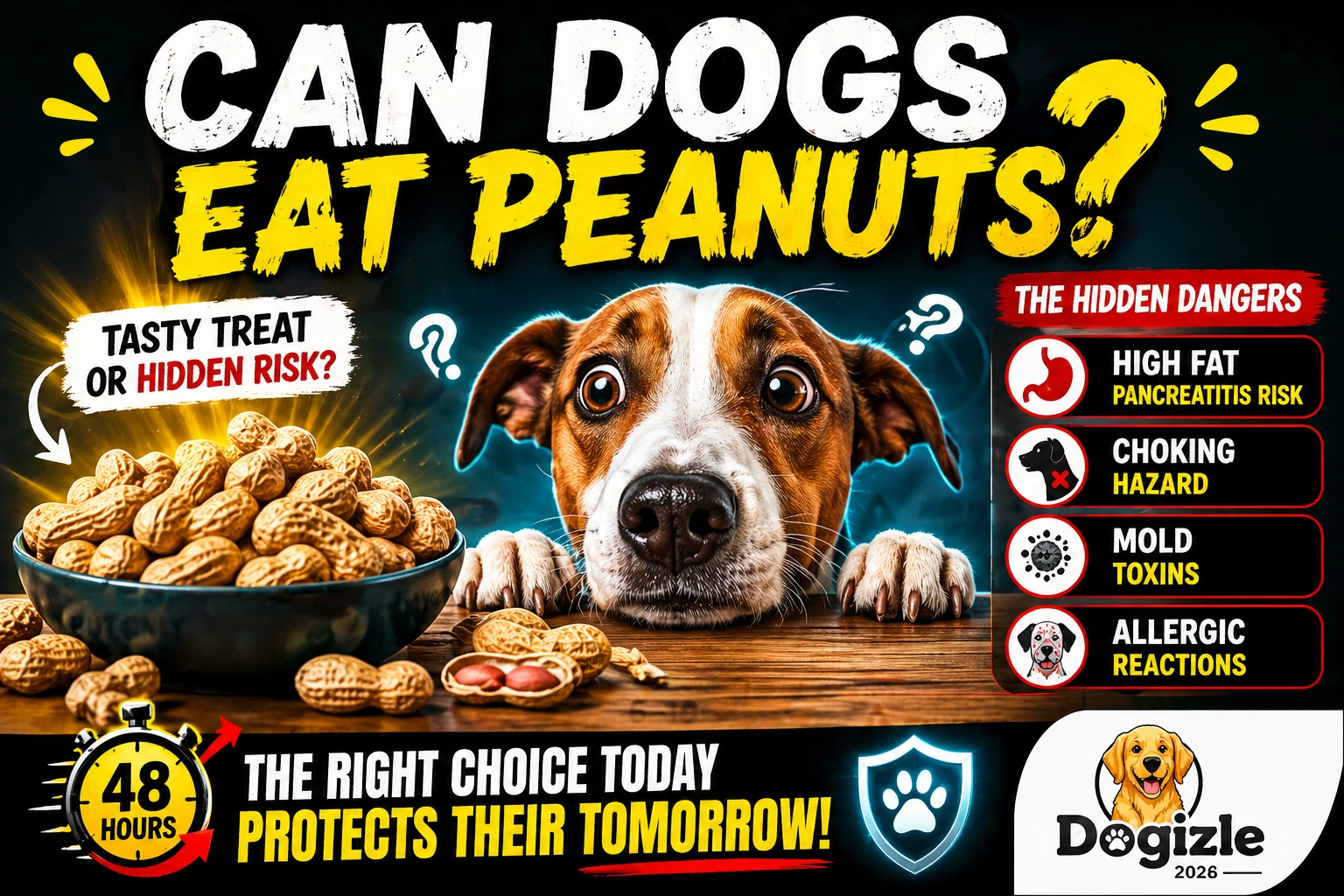
Can Dogs Eat Peanuts? — The Hidden Truth Most Owners Miss
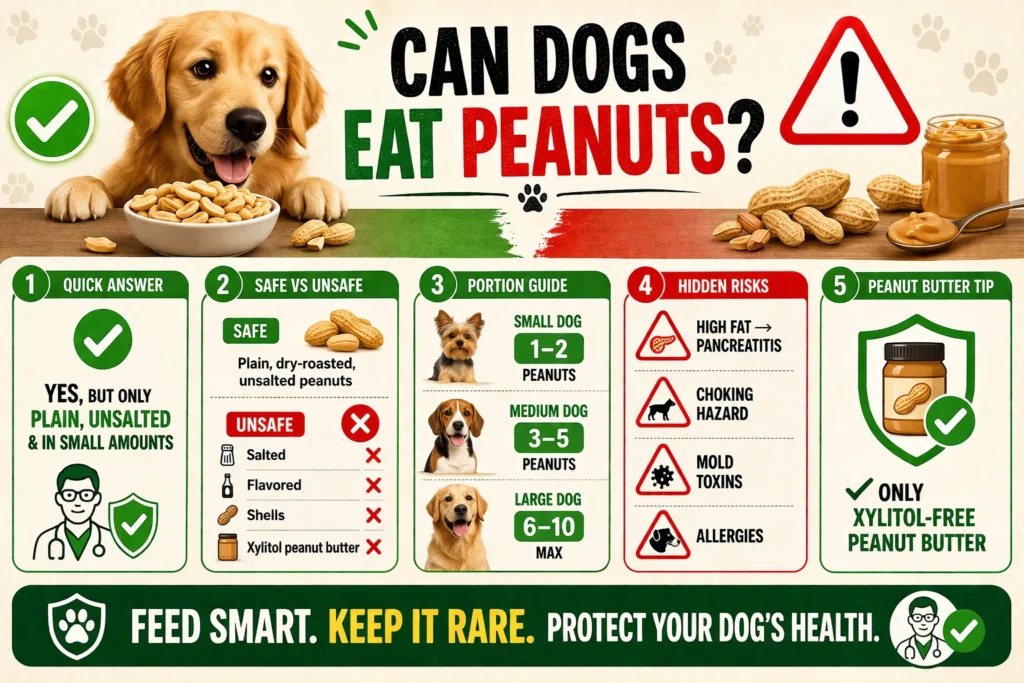
Yes, dogs can eat Peanuts, but only in small amounts and only when they are plain, unsalted, and fully shelled.
Peanuts are not toxic to dogs, but they are also not an ideal everyday treat. Because they contain a lot of fat and calories, too many peanuts can lead to stomach upset, unwanted weight gain, or even pancreatitis in sensitive dogs. The safest approach is simple: feed peanuts rarely, keep the portions tiny, and always choose the plain version.
Are Peanuts Safe for Dogs or a Risky Snack?
Peanuts are one of the most common snacks on the planet. You will find them at football matches in London, picnic baskets in Paris, market stalls in Berlin, and family gatherings across Europe. They are small, convenient, crunchy, and easy to share.
And of course, your dog will notice them.
That is why so many pet owners ask the same important question:
Can dogs eat peanuts safely, or should they be avoided?
The short answer is this:
Peanuts are not poisonous to dogs.
But they are not automatically a good dog food either.
That distinction matters.
A food can be non-toxic and still be unsuitable as a regular treat. Peanuts fall into that category. They are energy-dense, fat-rich, and easy to overfeed. In the wrong form, they can also become a choking hazard or trigger digestive problems.
This guide breaks the topic down clearly so you can make smart feeding decisions. You will learn:
- Can dogs eat peanuts safely
- What nutritional benefits do peanuts offer
- The Hidden Risks Every Dog Owner Should Know
- How many peanuts can dogs of different sizes eat
- whether peanut butter is safe
- What type of peanuts are okay, and which are not
- How to spot warning signs after accidental feeding
- What to do if your dog eats too many peanuts
This is written for real dog owners who want simple, practical, and trustworthy guidance.
Are Peanuts Safe for Dogs?
The Short Answer
Yes, peanuts are generally safe for dogs when they are:
- plain
- unsalted
- free from seasoning
- fully shelled
- given in very small amounts
That said, “safe” does not mean “best choice.” It simply means peanuts can be included occasionally without creating a problem, provided the portion is controlled.
What Peanuts Offer Nutritionally
Peanuts contain several nutrients that can be useful in small amounts:
- Protein for muscle support
- Vitamin E for skin and coat health
- Niacin (vitamin B3) for energy metabolism
- Healthy fats that provide energy
These nutrients make peanuts seem appealing as a treat. In moderation, they can be a small source of extra nutrition.
Why Caution Still Matters
Despite their nutrient profile, peanuts are also:
- very high in fat
- very high in calories
- easy to overfeed
- not balanced as a complete dog snack
That is why most veterinarians and pet nutrition sources treat peanuts as an occasional treat only, not a daily food
Why Too Many Peanuts Can Become a Problem
Even a safe food can cause trouble when the dose is too high.
Peanuts are calorie-dense, and dogs do not need many of them to go over their treat limit. A handful of peanuts may seem small to a person, but for a dog, that same amount can represent a surprisingly large share of daily calories.
If your dog regularly eats too many peanuts, the risks increase over time:
- digestive upset
- excess calorie intake
- weight gain
- fat-related inflammation
- long-term nutrition imbalance
The key idea is simple:
Peanuts may be safe in tiny portions, but they should never become a routine snack.
Risks of Feeding Peanuts to Dogs
Understanding the risks is just as important as understanding the benefits. Most peanut-related problems are preventable, but only if owners know what to avoid.
1. Choking Hazard
Whole peanuts can be difficult for some dogs to chew properly, especially small breeds or dogs that eat quickly. Peanut shells are even more dangerous because they are hard, rough, and not easy to digest.
Possible dangers include:
- choking
- throat obstruction
- intestinal blockage
- digestive irritation
Small dogs are especially vulnerable. A single whole peanut can become a choking risk for a Chihuahua or Yorkshire Terrier if swallowed too quickly.
If a dog gulps food instead of chewing it, the danger becomes even greater.
2. High Fat Content and Pancreatitis Risk
One of the biggest concerns with peanuts is their fat content. Dogs that consume too much fat may develop stomach upset, and in more serious cases, pancreatitis.
Pancreatitis is the inflammation of the pancreas, and it can be painful and dangerous.
Symptoms may include:
- vomiting
- diarrhea
- loss of appetite
- abdominal discomfort
- lethargy
- Fever in severe cases
Dogs with a history of pancreatitis should usually avoid peanuts altogether unless a veterinarian specifically says otherwise.
Breeds often considered more prone to pancreatitis include:
- Miniature Schnauzers
- Yorkshire Terriers
- Dachshunds
That does not mean other dogs are immune. Any dog can struggle if too many fatty snacks are eaten at once.
3. Salted or Flavored Peanuts
Many store-bought peanuts are not plain. They are salted, roasted in oil, spiced, flavored, or coated.
That makes them a poor option for dogs.
Why? Because extra salt and seasoning can cause:
- dehydration
- stomach irritation
- sodium overload
- increased thirst
- unnecessary stress on the body
Flavored peanuts may also contain onion powder, garlic powder, chili seasoning, sugar, artificial flavorings, or preservatives that are not appropriate for dogs.
4. Aflatoxin and Mold Toxicity
Poorly stored peanuts can develop mold toxins known as aflatoxins. These toxins are harmful to both humans and animals, and dogs are not an exception.
Aflatoxin exposure may cause:
- vomiting
- weakness
- reduced appetite
- liver damage
- severe illness in serious cases
Proper food storage matters. Even if the peanuts look normal, old or improperly stored peanuts may still be risky.
5. Allergic Reactions
Food allergies in dogs are less common than many people think, but they do happen.
Some dogs may show signs such as:
- itchy skin
- paw licking
- ear irritation
- vomiting
- diarrhea
- facial swelling in severe reactions
If your dog has never eaten peanuts before, introduce them slowly and watch for changes.
Types of Peanuts:
Not every peanut product is equally suitable for dogs. Some are acceptable in tiny amounts, while others should be avoided altogether.
| Peanut Type | Safe for Dogs? | Notes |
| Raw peanuts | Limited | Possible mold risk if poorly stored |
| Dry-roasted peanuts | Yes, in moderation | Best option if plain and unsalted |
| Salted peanuts | No | Too much sodium |
| Flavored peanuts | No | Seasonings and additives may be harmful |
| Peanut shells | No | Choking and blockage risk |
Best Choice
If you are going to offer peanuts, the best choice is usually:
plain, dry-roasted, unsalted, fully shelled peanuts
Even then, the amount should remain small.
Can Dogs Eat Peanut Butter?
Yes, dogs can eat peanut butter, but only if it is safe peanut butter.
Peanut Butter is often easier to give than whole peanuts because it is soft, spreadable, and less likely to cause choking when used correctly. Many owners use it for pill hiding, enrichment toys, or occasional rewards.
But not all peanut butter is dog-safe.
Safe Peanut Butter Rules
Always check the label and choose peanut butter that is:
- xylitol-free
- low in salt
- free from artificial sweeteners
- free from added sugar
- free from flavoring agents
Why Xylitol Is Dangerous
Xylitol is a sugar substitute that can appear in some peanut butter brands and other “sugar-free” foods.
It is extremely dangerous to dogs.
Even a small amount can cause:
- rapid blood sugar drops
- weakness
- vomiting
- seizures
- liver failure
- death
That is why the label matters so much. Never assume a peanut butter brand is safe just because it looks natural or healthy to you.
When in doubt, choose a peanut butter that has a very short ingredient list: ideally just peanuts and maybe a small amount of salt, though unsalted is better.
How Many Peanuts Can Dogs Eat?
This is where portion control becomes essential.
The right amount depends on the dog’s size, overall health, diet, and activity level. Even a small serving can be too much if your dog is on a calorie-restricted plan.
Safe Portion Guide
- Small dogs: 1–2 peanuts
- Medium dogs: 3–5 peanuts
- Large dogs: 6–10 peanuts maximum
These numbers are not daily goals. They are rough upper limits for an occasional treat, not a regular snack.
Golden Rule
A helpful general rule is this:
Peanuts should stay below 10% of your dog’s daily calories.
That matters especially for dogs that already eat rich food, treats, or table scraps.
If your dog is overweight, has a sensitive stomach, or is prone to digestive illness, the safe amount may be much lower or zero.
Can Puppies Eat Peanuts?
Puppies are more sensitive than adult dogs, and their digestive systems are still developing. That means caution matters even more.
Why Puppies Should Usually Avoid Peanuts
- They are more prone to choking
- Their digestion is still immature
- Their calorie needs are different
- Fatty foods can upset their stomachs faster
- Puppies often swallow food without chewing
Best Recommendation
Puppies should only have peanuts in very tiny pieces, and only after speaking with a veterinarian if there is any concern.
For most puppies, there are better treat choices than peanuts.
If you do offer a peanut, make sure it is plain, unsalted, and given in a very small amount. Even then, it should be rare.
Peanut Butter vs Whole Peanuts
Some dog owners wonder which option is safer: whole peanuts or peanut butter.
Here is the general comparison.
| Feature | Whole Peanuts | Peanut Butter |
| Choking risk | Higher | Lower |
| Digestion | Moderate | Easier |
| Safety | Moderate | Better if xylitol-free |
| Best use | Small occasional treat | Training or enrichment, used carefully |
Which Is Better?
In most cases, peanut butter is safer than whole peanuts because it is softer and easier to manage.
However, peanut butter only stays safe if it is:
- xylitol-free
- low in sugar
- low in salt
- fed in small amounts
If you use peanut butter inside toys or for medication, moderation is still important. Too much can add unnecessary fat and calories very quickly
Health Benefits of Peanuts When Given Correctly
Peanuts are not a miracle food, but they can offer a few modest benefits when used responsibly.
Possible Benefits
- Energy support due to healthy fats
- Skin and coat support from vitamin E
- Muscle support from protein
- Small nutrient boost from niacin and other Micronutrients
- Motivation treat for training or enrichment
These benefits only matter when peanuts are offered in tiny amounts.
If your dog gets too many peanuts, the negative effects can outweigh the benefits very quickly.
That is why the phrase “small amount” is the most important in this entire topic.
When You Should Not Feed Peanuts
There are some situations where peanuts are a poor choice and may be best avoided completely.
Avoid peanuts if your dog has:
- a history of pancreatitis
- obesity or rapid weight gain
- food allergies
- a sensitive stomach
- a veterinarian-prescribed low-fat diet
- Repeated digestive upset after fatty foods
For these dogs, even a small peanut snack can create trouble.
It is always better to choose a safer, lower-fat treat if your dog has special dietary needs.
Common Mistakes Dog Owners Make
Many dog owners unintentionally make feeding mistakes because peanuts seem harmless. The problem usually comes from form, quantity, or hidden ingredients.
Here are some of the most common errors:
1. Giving Salted Peanuts
Salted peanuts may seem harmless, but dogs do not need that extra sodium. Too much salt can put stress on the body and may worsen thirst or digestive discomfort.
2. Feeding Peanut Shells
The shell is not a snack. It is hard to digest and may cause choking or blockage.
3. Using Xylitol Peanut Butter
This is one of the most serious mistakes because xylitol can be toxic even in small amounts.
4. Overfeeding During Training
Peanut treats can be tiny, but they add up quickly. When used repeatedly during training sessions, the total amount may become too high.
5. Ignoring Total Calories
A treat is still food. If your dog gets lots of snacks throughout the day, peanuts may push calorie intake too high.
The safest mindset is to treat peanuts like a high-value occasional reward, not a regular feeding staple.
Real-Life Feeding Scenarios
Different lifestyles can change how often a dog burns calories, but they do not remove the need for moderation.
Urban Dogs in Busy Cities
Dogs living in apartments or city environments often get less exercise. In that setting, even a small number of peanuts can contribute to fast weight gain if given too often.
Dogs in Colder Regions
In cooler climates, dogs may burn more energy, especially if they spend more time outdoors. That does not automatically make peanuts safe in larger amounts, though. The same moderation rule still applies.
Active Dogs in Rural Areas
Highly active dogs may tolerate a little more food overall, but peanuts should remain limited. Activity does not cancel out the fat content.
No matter where a dog lives, the body still has to process the same calories and fat.
Vet-Approved Safety Tips
To keep peanut feeding safe, use these practical guidelines:
- introduce peanuts slowly
- start with a very small amount
- crush or break peanuts for small dogs
- Avoid flavored or salted peanuts
- Always check peanut butter labels
- Never feed peanut shells
- Watch for signs of allergy or stomach upset
- Never let peanuts replace a balanced meal
These steps reduce risk while keeping the treatment experience simple and controlled.
Pros and Cons of Peanuts for Dogs
Like many human foods, peanuts come with both positives and negatives.
Pros
- contain protein
- provide energy
- include vitamin E
- easy to use as an occasional treat
- simple to portion when plain
Cons
- high in fat
- high in calories
- choking risk if whole
- possible allergy trigger
- pancreatitis risk in sensitive dogs
- not suitable as a daily food
The list of disadvantages is why peanuts should stay in the “sometimes” category, not the “daily” category.
Safe Feeding Checklist
Before giving peanuts to your dog, check this list:
- plain peanuts only
- no added salt
- no flavoring
- no shells
- tiny quantity
- xylitol-free peanut butter only
- no signs of food allergy
- no history of pancreatitis
If even one of these points is a problem, it is smarter to skip the peanuts.
What Happens If a Dog Eats Too Many Peanuts?
If your dog sneaks more peanuts than intended, do not panic. Many cases are mild, but you should still monitor carefully.
Possible reactions include:
- vomiting
- diarrhea
- gassiness
- belly discomfort
- reduced appetite
- lethargy
More serious concerns may involve pancreatitis or blockage, especially if shells were eaten too.
When to Contact a Vet
Call a veterinarian if your dog:
- keeps vomiting
- seems weak or painful
- has bloated abdominal discomfort
- refuses food
- shows signs of distress
- may have eaten peanut shells or xylitol-containing peanut butter
The faster you react, the better the outcome is likely to be
FAQS
No, peanuts should only be an occasional treat. They are too high in fat and calories to be fed every day.
No, peanuts are not toxic to dogs, but they can become unsafe when overfed or given in the wrong form.
No, peanut shells are dangerous. They can cause choking, digestive irritation, or blockage.
Salted peanuts are not recommended due to their high sodium content.
Peanut butter itself is not usually the problem. The danger comes from xylitol, which can be life-threatening, or from extreme overconsumption.
A dog may develop vomiting, diarrhea, an upset stomach, or, in severe cases, pancreatitis.
Yes, peanuts are generally considered safer than many other nuts for dogs, but they still need to be given carefully and in moderation.
Only under strict veterinary supervision. Because peanuts are calorie-dense and fatty, they may not be the right choice for every diabetic dog.
Final Verdict — Should You Feed Peanuts to Your Dog?
So, can dogs eat peanuts?
Yes, they can — but only in moderation, only when plain and unsalted, and only as an occasional treat.
Peanuts are not inherently dangerous when handled responsibly. The real danger comes from poor portion control, added salt, flavored coatings, peanut shells, and unsafe peanut butter brands containing xylitol.
The smartest approach is to treat peanuts as a rare snack, not a habit.
The safest mindset is:
“Treat peanuts like a special treat for dogs — small, occasional, and carefully chosen.”
For long-term health, your dog will always benefit more from:
- balanced dog food
- vet-approved treats
- low-fat snack options
- proper portion control
In the end, a healthy dog is worth more than any snack, no matter how tempting it looks.