Introduction
A shadow stretches across the floor as the dog stays by the glass, fur lightened now at the snout. Time moves without pause, yet they remain close, not asked but never gone. Not helpers, not visitors – simply present, morning after quiet morning. Movement grows careful now, each rise from the floor a small event. Their meals change, routines soften, naps stretch longer than before. What used to leap at shadows now watches them drift across the wall.
When dogs age, their food needs shift. Since movement slows down later in life, meals must change too. What worked before might not work now. Choosing Best Dog Food for Older Dogs suited to aging pups helps support their overall condition. Proper fuel keeps them steady through later years.
Older dogs change in body just as people do when they get older. As years pass, energy use drops slowly. Muscle firmness fades bit by bit. Joints stiffen over time instead of moving freely. Digestion can turn picky without warning. The body’s ability to fight issues slips quieter than before.
Common changes seen in older dogs include:
- slower metabolic rate
- reduced physical activity
- muscle loss or weakness
- joint stiffness or arthritis
- digestive sensitivity
- reduced stamina or endurance
Fewer essential nutrients at mealtime means common changes with aging might spark problems – creaky knees, added pounds, belly discomfort, difficulty walking.
Instead of smooth function, the body reacts slowly when fuel falls short. Joints resist motion. Weight climbs without warning signs. Digestion stumbles after eating. Movement becomes a challenge, not a choice.
High-quality senior dog food can help:
✔ support joint mobility and bone strength
✔ maintain lean muscle tissue
✔ improve digestion and nutrient absorption
✔ support cognitive and brain health
✔ strengthen immune system function
✔ promote energy and overall vitality
Worldwide, vets are pointing older dogs toward food packed with key nutrients. From Spain to Japan, these experts agree on certain ingredients being vital. Not just any kibble will do – specific elements make a difference. high-quality animal protein
- omega-3 fatty acids
- antioxidant-rich ingredients
- joint support compounds
- easily digestible carbohydrates
In this complete senior dog nutrition guide, we will explore everything dog owners should know about feeding aging dogs.
In this guide you will learn:
- How dogs’ nutritional needs change with age
- The most important nutrients older dogs require
- Signs your dog may need senior dog food
- How to choose the best dog food for older dogs
- Vet-recommended senior dog food brands
- Proper feeding schedules and portion sizes
- Homemade food options for senior dogs
- Common health issues affecting aging dogs
Suddenly, a shift in diet might matter more than you think – when dogs start aging, their needs change. Instead of assuming old habits work forever, consider how meals affect energy and joints. Sometimes a tweak today supports better days later. As tails keep wagging into senior years, what they eat plays a quiet but steady role.
How a Dog’s Nutritional Needs Change With Age
Puppies grow up fast – way quicker than people do, so you can spot changes in how they look before long. A dog’s body shifts clearly within just a few years, unlike our slow pace.
Older years kick in around seven to ten for many dogs, yet that timeline shifts with how big they get or what kind they are.
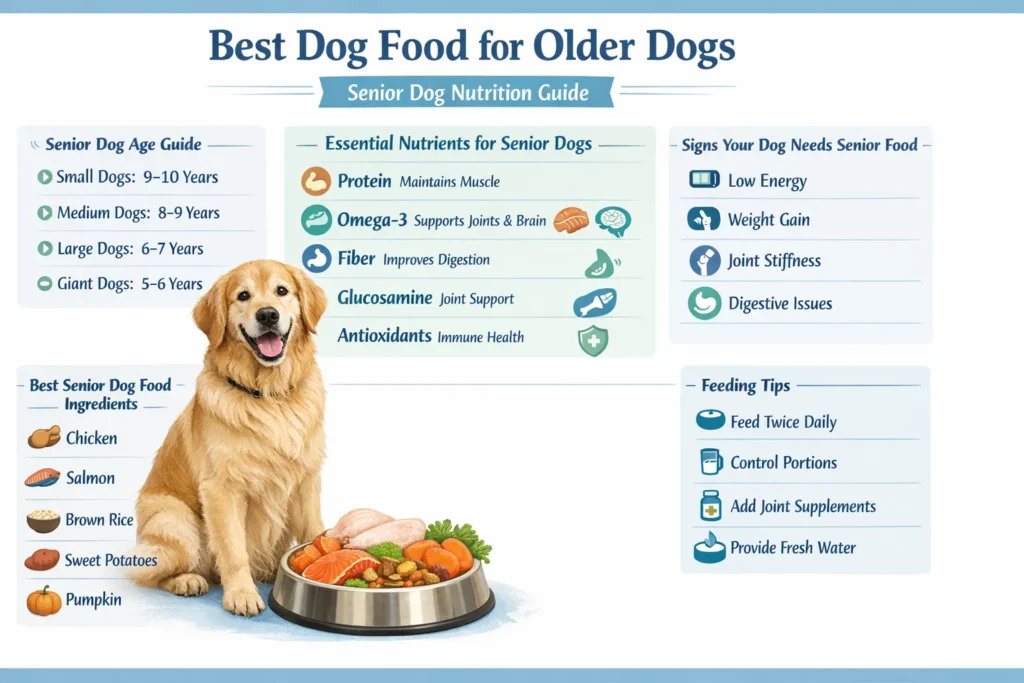
Senior Dog Age by Breed Size
| Dog Size | Senior Age |
| Small breeds | 9–10 years |
| Medium breeds | 8–9 years |
| Large breeds | 6–7 years |
| Giant breeds | 5–6 years |
Built bigger, these dogs face tougher wear on their insides – joints creak, organs labor, bones bear more weight. Size pushes them ahead in the aging race, each year pressing harder than it does on smaller ones.
Aging brings shifts in a dog’s body systems over time. Because of this, nutrient handling slows down noticeably. Energy needs drop while muscle preservation becomes harder. Still, every older dog shows these patterns differently.
Below are the five most significant physiological changes seen in aging dogs.
1. Slower Metabolism
Last thing first – less movement in senior dogs means they use up less energy daily. Because of that, eating the same amount becomes a problem over time.
Their bodies just aren’t working as hard. Weight creeps on without anyone noticing. That shift happens quietly, but it matters.
Heavy weight often shows up in older dogs, bringing extra stress on their joints. What many overlook is how it also pushes harder on the heart. This added load tends to make problems such as stiff joints or blood sugar issues grow worse over time.
Fewer calories sit at the center of most older dogs’ meals, yet everything needed stays included. Instead of cutting too much, they keep what matters inside.
2. Loss of Muscle Mass
Sarcopenia slowly eats away at muscle in older dogs. Their bodies change over time without asking permission.
Falling short on muscle power might slow movement, throw off stability, one’s general stamina too. That is why top-grade proteins tend to support strong tissue in aging dogs.
Fleshing out meals with protein keeps a dog’s body in good shape. Immune defenses get a boost when protein is part of the diet. Strength during movement comes easier when intake stays consistent.
3. Joint Degeneration
Joint problems are extremely common among senior dogs.
Little by little, joint cartilage wears away, causing swelling and tightness. Most people know this problem as arthritis.
Symptoms may include:
- stiffness after resting
- limping or favoring one leg
- difficulty climbing stairs
- reluctance to exercise
A good number of meals made for older dogs pack glucosamine along with chondroitin – nutrients backing up cartilage strength plus smoother joints. While these ingredients show up often, their role ties closely to movement comfort in aging animals.
4. Digestive Changes
Frequent meals can upset their stomachs more easily now. Some find it harder to process certain foods as they age. Their bodies just handle digestion differently these days.
Much older animals often struggle to take in vitamins properly anymore. That is why meals made with easy-to-break-down parts really matter now.
Senior dog foods often contain ingredients such as:
- brown rice
- oatmeal
- pumpkin
- sweet potatoes
These ingredients are easier to digest and help support gut health.
5. Cognitive Decline
Some aging Dogs experience changes in brain function. This condition is known as Canine Cognitive Dysfunction (CCD) and is similar to dementia in humans.
Signs of cognitive decline may include:
- confusion or disorientation
- changes in sleep patterns
- reduced interaction with family members
- forgetfulness or unusual behavior
Fish oils plus plant-based compounds help keep thinking sharp while shielding nerves over time. Nerve protection often ties back to daily food choices involving seeds or berries. What you eat might slow mental fading linked to growing older. Brain helpers show up in walnuts just as much as in blueberries. Cells stay stronger when fueled by certain natural substances found in common meals.
Key Nutrients Senior Dogs Need
Older dogs need more than just fewer calories when it comes to their meals.
Aiming here is about mixing nutrients just right for older bodies. Not one thing more than another – each part matters equally well when combined. This balance helps keep things running smoothly over time.
Below are the most important nutrients for senior dogs.
1. High-Quality Protein
A common myth is that older dogs require less protein.
Few picture it this way, yet vet pros often push for solid or higher protein levels in older dogs – simply because muscles fade without it.
High-quality animal protein supports:
- muscle maintenance
- immune system function
- healthy skin and coat
- sustained energy levels
Best Protein Sources
- chicken
- turkey
- salmon
- lamb
- eggs
Ideal Protein Levels
| Food Type | Recommended Protein |
| Dry senior food | 28–32% |
| Wet senior food | 8–12% |
2. Omega-3 Fatty Acids
Omega-3 fatty acids provide powerful anti-inflammatory benefits for aging dogs.
They help:
✔ reduce inflammation
✔ support brain health
✔ improve joint mobility
✔ maintain healthy skin and coat
Best Omega-3 Sources
- fish oil
- salmon oil
- sardines
- flaxseed
These healthy fats are particularly beneficial for dogs suffering from arthritis or mobility issues.
3. Fiber
Digestive health often becomes more important as dogs age.
Fiber helps regulate digestion and supports beneficial gut bacteria.
Fiber Benefits
- promotes regular bowel movements
- supports gut microbiome balance
- assists with weight management
Most senior dog foods contain 2–5% fiber.
4. Glucosamine and Chondroitin
These compounds are commonly used in veterinary medicine to support joint health.
They help:
- protect cartilage
- reduce joint inflammation
- improve joint flexibility
- slow the progression of arthritis
Many premium senior dog foods naturally include these nutrients.
5. Antioxidants
Antioxidants protect the body from oxidative stress caused by aging cells.
Important antioxidants include:
- Vitamin E
- Vitamin C
- Beta-carotene
- Selenium
These nutrients help strengthen immune defenses and support cognitive health.
Signs Your Dog Needs Senior Dog Food
Many dog owners wait too long before switching their pet to a senior diet.
Recognizing early warning signs can help prevent health problems.
Common Signs
- reduced energy levels
- weight gain
- slower movement
- joint stiffness
- digestive discomfort
- dull or thinning coat
- decreased appetite
Older than 7? That age might mean a switch to food made for senior dogs. Starting later in life brings changes worth noticing when feeding them.
How to Choose the Best Dog Food for Older Dogs
Picking a dog food might seem tough when so many options crowd the shelves.
Focusing on a few essential factors can make the decision easier.
Real Meat as the First Ingredient
The first ingredient listed on the label should ideally be a named animal protein source.
Examples include:
- chicken
- turkey
- salmon
- lamb
Avoid Dog Foods where corn, wheat, or soy appear as the primary ingredient.
Balanced Calorie Content
Senior dogs require moderate calorie intake.
One extra mouthful, now and then, adds up after weeks go by. Skipping full portions chips away at power bit by bit. When food gets smaller, muscle slips like sand through fingers. A little too much here, a little less motion there – weight drifts in without noise.
Start by checking labels that highlight rich nutrition made just for older dogs.
Joint Support Ingredients
Senior dog food should ideally contain:
- glucosamine
- chondroitin
- omega-3 fatty acids
These nutrients help maintain joint flexibility and mobility.
Highly Digestible Ingredients
Easily digestible foods help prevent digestive upset.
Common digestible ingredients include:
- brown rice
- oatmeal
- pumpkin
- sweet potatoes
FEDIAF or AAFCO Nutritional Standards
High-quality dog foods follow official nutritional standards.
Fed across the continent, many canine treats follow FEDIAF guidelines to balance nutrition properly. With these measures in place, dietary elements remain steady, never leaning too heavily in any single direction.
Best Dog Food for Older Dogs (Top Vet-Recommended Picks)
Several reputable brands consistently receive positive recommendations from veterinarians.
| Brand | Best For | Protein | Key Features |
| Hill’s Science Diet Senior | Overall nutrition | 29% | Balanced formula |
| Blue Buffalo Life Protection Senior | Natural ingredients | 28% | Joint support |
| Orijen Senior | Premium quality | 38% | High meat content |
| Iams ProActive Health Mature Adult | Budget option | 27% | Affordable |
| The Farmer’s Dog | Fresh food | Custom | Human-grade meals |
Best Overall Senior Dog Food
Hill’s Science Diet Senior
One of the most trusted veterinarian-recommended dog food brands.
Key benefits include:
- highly digestible ingredients
- balanced nutrition
- antioxidant support
Best Natural Formula
Blue Buffalo Life Protection Senior
Features:
- real chicken as first ingredient
- glucosamine and chondroitin
- natural ingredients without artificial preservatives
Best Premium Senior Dog Food
Orijen Senior
Features:
- very high protein content
- fresh meat ingredients
- biologically appropriate nutrition
Best Budget Option
Iams ProActive Health Mature Adult
A reliable choice for owners seeking a more affordable yet balanced diet.
Features:
- moderate protein levels
- good digestibility
- widely available
Best Fresh Food Option
The Farmer’s Dog
Fresh dog food prepared using human-grade ingredients.
Benefits include:
- customized meal plans
- fresh ingredients
- high digestibility
Dry vs Wet Food for Senior Dogs
Wet food might work better for older dogs with dental issues, yet some seniors do just fine on dry kibble. What matters most is how well it fits their health condition.
Comparison Table
| Feature | Dry Food | Wet Food |
| Cost | Lower | Higher |
| Shelf life | Longer | Shorter |
| Moisture content | Low | High |
| Dental benefits | Good | Limited |
| Taste | Moderate | Highly palatable |
When Wet Food is Better
Wet food may be beneficial for dogs with:
- dental problems
- chewing difficulties
- dehydration risk
- poor appetite
When Dry Food is Better
Dry food works well for:
- easier storage
- lower cost
- supporting dental health
Many pet owners use a mixed feeding approach to provide both texture and moisture.
Ingredients to Avoid in Senior Dog Food
Not all commercial Dog foods are nutritionally beneficial.
Certain ingredients may negatively affect senior dog health.
Avoid These Ingredients
❌ artificial preservatives
❌ artificial colors
❌ excessive salt
❌ low-quality fillers
❌ unidentified meat by-products
These ingredients can worsen digestive sensitivity and inflammation.
How Much Should You Feed an Older Dog
The appropriate portion size depends on several factors:
- body weight
- breed type
- activity level
- overall health status
General Feeding Guide
| Dog Weight | Daily Food Amount |
| 5–10 kg | 120–200 g |
| 10–20 kg | 200–350 g |
| 20–30 kg | 350–450 g |
| 30+ kg | 450–650 g |
Most veterinarians recommend feeding two meals per day.
Homemade Food for Senior Dogs
Some dog owners prefer preparing meals at home.
Homemade diets can be healthy but must remain nutritionally balanced.
Healthy Homemade Ingredients
- boiled chicken
- turkey
- brown rice
- sweet potatoes
- carrots
- green beans
Always consult a veterinarian before switching to a fully homemade diet.
Common Health Issues in Senior Dogs
Aging dogs are more vulnerable to several health conditions.
Arthritis
Arthritis causes inflammation and pain in joints.
Symptoms include:
- stiffness
- limping
- reduced mobility
Foods containing omega-3 fatty acids and glucosamine may help support joint health.
Obesity
Older dogs burn fewer calories.
Without portion control, weight gain can happen quickly.
Obesity increases risk of:
- diabetes
- heart disease
- joint damage
Kidney Disease
Few older dogs face kidney troubles – so vets often suggest meals light on phosphorus. Different food plans help when the years weigh heavy on their health.
Dental Disease
Dental problems are extremely common in older dogs and can make eating painful.
Cognitive Dysfunction
Some dogs develop memory or behavioral changes similar to dementia.
Certain nutrients may help support brain health.
Safety & Health Considerations
When feeding senior dogs, follow these safety tips.
✔ transition new food gradually over 7–10 days
✔ monitor weight regularly
✔ avoid sudden dietary changes
✔ provide fresh drinking water daily
Should your dog start throwing up, have loose stools, or stop eating, it’s time to call the vet.
Common Dog Owner Mistakes
Older dogs might still get the wrong food, even if their owners try hard. Sometimes a careful person misses what the dog really needs now.
What worked before can cause problems later on. A change in age changes more than just energy levels. Mistakes happen, despite good intentions behind every meal.
Feeding Too Many Treats
Treats can significantly increase daily calorie intake.
Switching Food Too Quickly
Rapid food changes may cause digestive upset.
Ignoring Weight Gain
Obesity can shorten a dog’s lifespan.
Choosing Low-Quality Food
Cheap dog foods often contain poor-quality ingredients with limited nutritional value.
Expert Tips for Feeding Senior Dogs
Veterinary nutritionists often recommend the following practices:
✔ feed smaller meals more frequently
✔ maintain regular physical activity
✔ monitor body weight monthly
✔ consider joint supplements if needed
Dogs living in colder climates may require slightly higher calorie intake during winter.
Frequently Asked Questions
Most dogs become seniors between 7 and 10 years old, depending on breed size.
No. Senior dogs often need high-quality protein to maintain muscle mass.
Wet food may help dogs with dental problems or hydration issues, but dry food also offers benefits.
Yes. Many owners mix both to improve taste, nutrition, and hydration.
Foods containing glucosamine, chondroitin, and omega-3 fatty acids are helpful for joint health.
Final Verdict
Choosing the best dog food for older dogs plays an important role in supporting health during the later stages of life.
A well-balanced senior dog diet should include:
✔ high-quality protein
✔ balanced calorie intake
✔ omega-3 fatty acids
✔ joint support nutrients
✔ easily digestible ingredients
When combined with regular exercise, veterinary care, and proper portion control, the right nutrition plan can significantly improve a dog’s energy, mobility, and lifespan.
Senior Dogs may slow down with age, but with the right diet they can still enjoy many happy and healthy years.