Vet Nutrition Tips, Age-Based Diet Plans & Healthy Aging Feeding Strategy
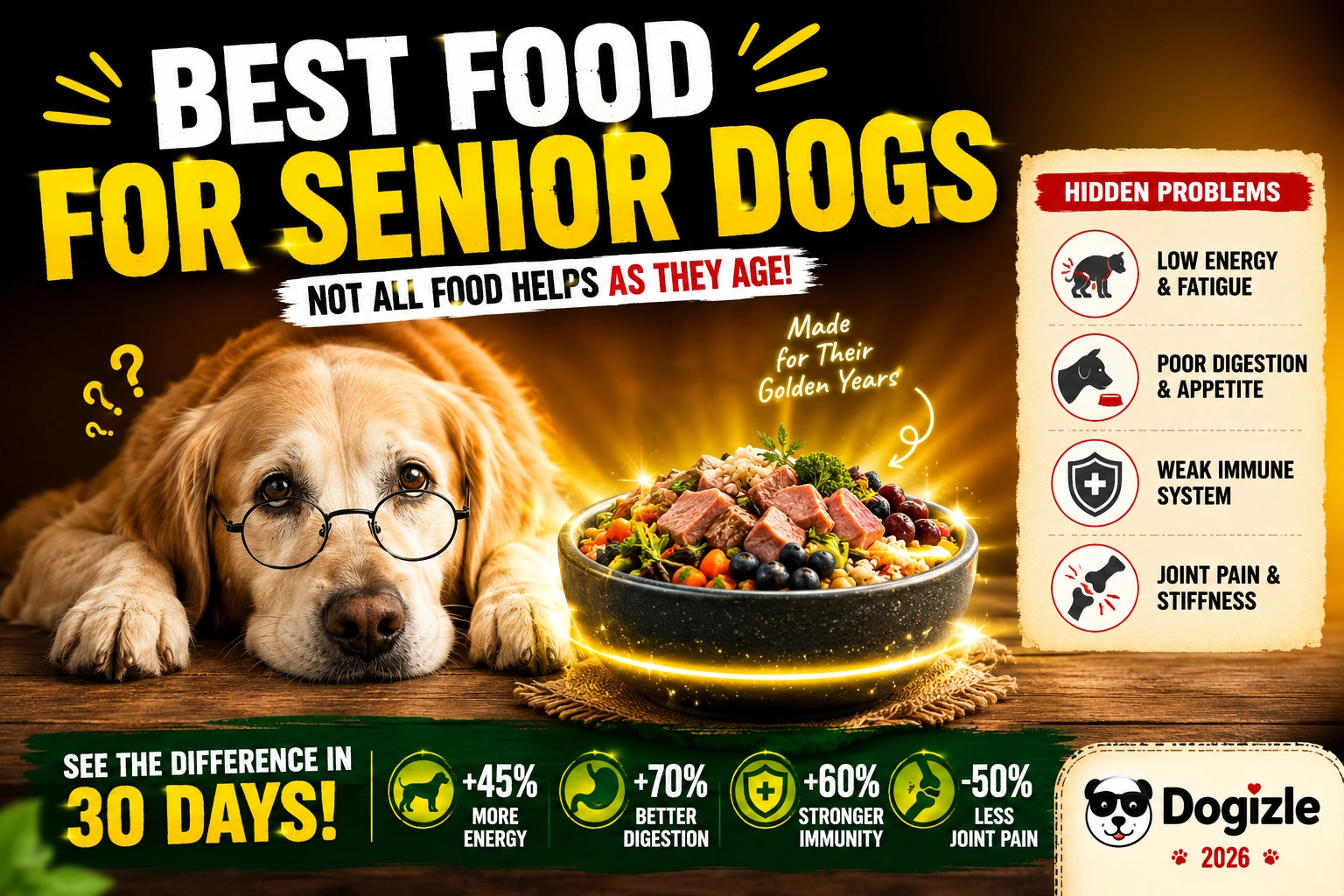
The best food for senior dogs is the one decision that can either extend or shorten your dog’s life — and most owners get it completely wrong. In this guide, you’ll discover exactly what vets secretly recommend to boost energy, heal joints, and add precious years to your loyal companion’s life. Your senior dog deserves better. Let’s fix that today. As Dogs Move into their later years, their bodies begin to change in ways that are not always obvious at first glance. Many owners notice a slower pace on walks, a little more stiffness after rest, or a slight increase in weight, even though the dog appears to be eating the same amount of food. These shifts are often gradual, which is exactly why nutrition becomes so important during the senior stage.
Feeding an older dog is not simply a matter of choosing a “senior formula” and calling it done. It is a thoughtful health decision that affects mobility, digestion, body condition, cognitive sharpness, immunity, and long-term comfort. A well-designed diet can help a senior dog stay active, maintain lean muscle, avoid unnecessary weight gain, and age with greater ease.
Why Your Senior Dog’s Food Needs to Change After Age 7
The best food for senior dogs is not defined by a single brand name or a trendy label. Instead, it is a food strategy that provides the right combination of nutrients for the dog’s unique age, size, lifestyle, and health condition. Some senior dogs need more support for their joints. Others need help managing their weight. Some do best with highly digestible ingredients, while others benefit from extra protein to protect muscle mass. In many cases, the ideal approach is not less food, but smarter food.
Across Europe, Preventive Nutrition is becoming a bigger focus in veterinary care. This means many vets now encourage owners to make diet adjustments before serious health issues appear. The logic is simple: supporting a dog early often helps prevent or reduce future problems. A strong nutritional foundation can make aging more comfortable and more manageable.
This guide breaks everything down in plain language so you can understand what senior dogs truly need, how their nutritional requirements change, and how to choose a diet that supports healthy aging with confidence.
When Is a Dog Considered Senior?
There is no single age that applies to every dog. A dog’s senior stage depends on breed size, overall health, genetics, and activity level. Smaller dogs often age more slowly and may stay active well into later life, while larger breeds usually begin showing age-related changes earlier.
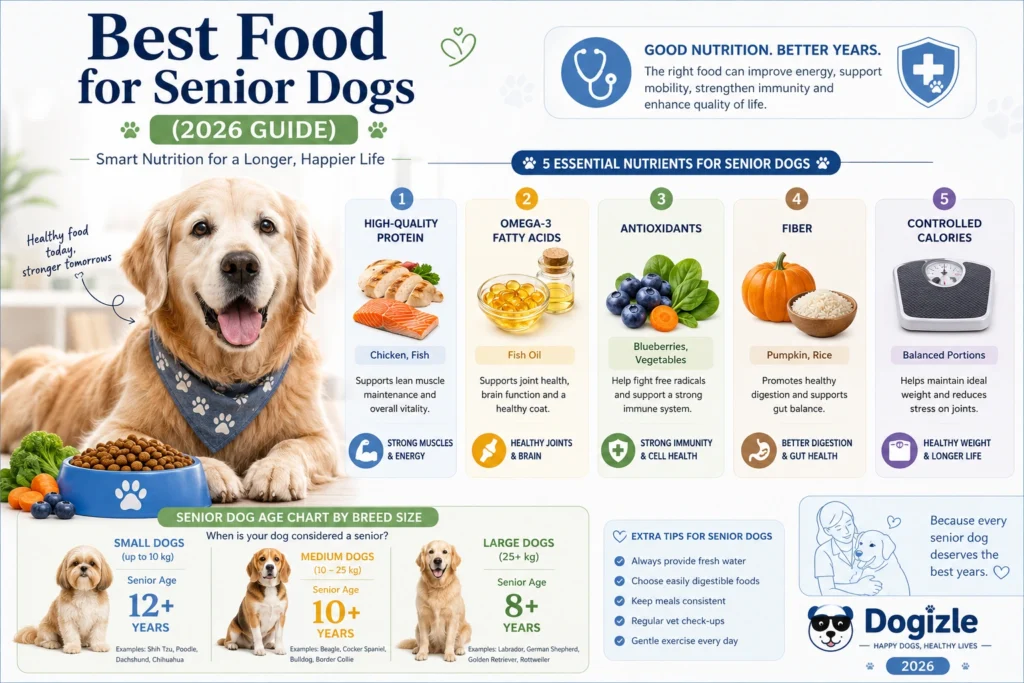
A general guide looks like this:
| Breed Size | Senior Age Range | Why It Matters |
| Small Breeds (e.g., Dachshund, Pomeranian) | 9–11 years | Slower aging, typically longer lifespan |
| Medium Breeds (e.g., Beagle, Border Collie) | 7–10 years | Moderate aging speed, varied needs |
| Large Breeds (e.g., Labrador, German Shepherd) | 6–8 years | Faster wear on joints and organs |
Large dogs often enter the senior stage earlier because their bodies carry more stress over time. Their joints, muscles, heart, and internal systems work under greater physical demand. That is why the nutrition strategy for a large older dog may need to change before age-related issues become obvious.
In practical terms, many veterinarians recommend adjusting food earlier for larger breeds, even when the dog still seems energetic. Early nutrition support can help preserve mobility, body composition, and overall quality of life.
Why Senior Dogs Need a Different Nutrition Strategy
The aging process affects almost every system in the body. Some dogs become less active. Others lose muscle. Many experience slower digestion or a reduction in metabolic rate. Some develop arthritis, while others begin to show changes in brain function or appetite. Because these shifts are so varied, senior nutrition needs to be flexible and intentional.
A younger adult dog may tolerate a more basic feeding pattern, but an older dog often benefits from a more refined balance of nutrients. Senior food should support the body rather than overload it. It should help preserve strength without adding unnecessary calories. So it should support the digestive system without causing discomfort. It should nourish the dog without creating weight gain that puts extra pressure on already aging joints.
That is why senior dog food is not about “cutting back” in a simplistic way. It is about building a diet that helps the dog age with less strain and more resilience.
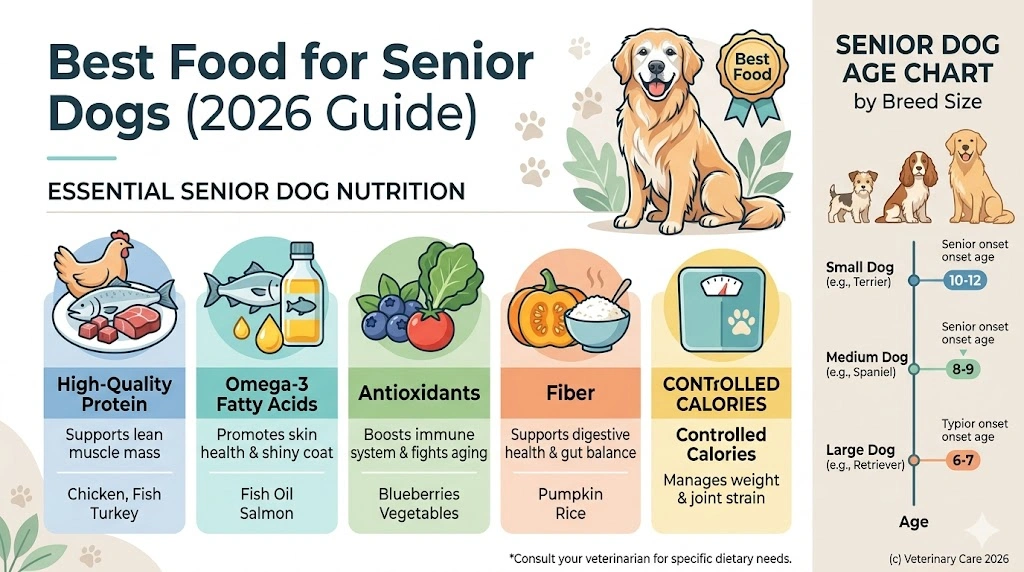
Key Nutrients in the Best Food for Senior Dogs
A good senior diet is built on a few core nutritional pillars. These nutrients work together to support muscle, joints, brain health, digestion, and healthy body weight.
1. High-Quality Protein for Muscle Protection
As dogs get older, they naturally lose muscle mass. This process is especially important to monitor because muscle helps support posture, stability, movement, and overall strength. When muscle declines too much, older dogs may appear weak, tire more easily, and struggle more with daily activities.
This condition is commonly associated with sarcopenia, which refers to age-related muscle loss. The best way to help reduce unnecessary muscle loss is to make sure the diet contains high-quality protein that the body can actually use.
Protein matters because it helps:
- preserve lean body tissue
- support mobility and physical strength
- maintain energy and stamina
- reduce weakness and frailty
Good protein sources for senior dogs often include:
- chicken
- turkey
- fish
- lamb
The most important point is not just that the food contains protein, but that the protein is digestible, biologically useful, and appropriate for the dog’s condition. More protein is not always better in every situation, but poor-quality protein is rarely a good choice for an aging dog.
2. Omega-3 Fatty Acids for Brain and Joint Support
Omega-3 fatty acids are among the most useful nutrients for senior dogs. They support several functions at once, which is why they appear so often in quality senior diets.
Omega-3s may help:
- reduce inflammation in joints
- support mobility and comfort
- promote heart health
- support brain function and mental clarity
- maintain skin and coat quality
Common sources include:
- fish oil
- salmon
- flaxseed
For older dogs with stiffness or reduced movement, omega-3s are especially valuable. They are also helpful for dogs that need cognitive support as they age. In many senior feeding plans, omega-3s are considered a foundational nutrient rather than an optional extra.
3. Antioxidants for Aging Protection
Aging increases oxidative stress in the body. Antioxidants help protect cells from damage caused by that stress. In practical terms, they contribute to immune support, cellular health, and overall resilience.
Antioxidants can help:
- support immune function
- reduce inflammation
- protect against cell damage
- contribute to brain health
Useful antioxidant sources include:
- blueberries
- spinach
- carrots
- vitamin E
Senior dog foods that include a thoughtful antioxidant profile are often better suited to the changing needs of older dogs. This is especially true for dogs that may be slowing down mentally or physically.
4. Fiber for Digestive Support
Digestive changes are common with age. Some older dogs become constipated more easily. Others have less efficient digestion or experience sensitivity when their diet changes too quickly. Fiber can help keep the digestive system functioning more smoothly.
Fiber may support:
- healthy bowel movements
- gut comfort
- regular digestion
- reduced bloating and digestive sluggishness
Common sources include:
- beet pulp
- pumpkin
- brown rice
A senior dog with a sensitive stomach may do better on a diet with moderate, well-balanced fiber rather than a food that is too rich or too difficult to digest. The goal is steady digestion, not excessive bulk.
5. Controlled Calories for Weight Management
One of the most common mistakes for Senior Dogs is continuing to feed at the same calorie level that worked during their younger, more active years. As dogs age, their activity often decreases. That means they burn fewer calories. If food intake remains too high, weight gain can follow.
Excess weight matters because it can:
- put additional strain on joints
- move harder
- increase risk of obesity-related problems
- affect heart health and overall energy
The best senior food should help maintain a healthy body condition without overfeeding. This is especially important for dogs already showing stiffness, slowed movement, or reduced exercise tolerance.
A healthy weight is one of the strongest forms of support you can give an older dog. It can improve comfort more than many owners realize.
Best Food for Senior Dogs by Health Need
Not every senior dog needs the same formula. The smartest way to choose food is to match the diet to the dog’s main needs.
1. Best Overall Senior Dog Food
This category is ideal for healthy senior dogs that need broad nutritional support without specialized intervention. It is usually the right starting point when the dog is aging normally and does not have a major medical concern.
A good overall senior formula usually includes:
- balanced protein
- moderate fat
- digestible carbohydrates
- antioxidants
- joint-support nutrients
- controlled calories
This kind of food is designed to support the whole body while keeping the diet practical and easy to manage. For many dogs, this is the most balanced long-term option.
2. Best for Joint Health and Arthritis Support
Many senior dogs develop stiffness, reduced flexibility, or arthritis-related discomfort. For these dogs, the diet should actively support joint health rather than merely avoid making the problem worse.
Important nutrients may include:
- glucosamine
- chondroitin
- omega-3 fatty acids
These ingredients are commonly used to help support cartilage, reduce inflammation, and maintain mobility. Large breeds in particular often benefit from this type of support because their joints experience more stress over time.
A joint-focused diet can make walking, rising, and resting more comfortable, especially when combined with healthy weight management and regular vet care.
3. Best for Sensitive Stomachs
Older dogs often become more sensitive to ingredient changes, heavy foods, or overly processed diets. If a dog has gas, loose stool, bloating, or repeated digestive upset, a simpler diet may be the better choice.
A sensitive-stomach formula often features:
- limited ingredients
- highly digestible proteins
- no unnecessary artificial additives
- gentle fiber sources
This type of food is useful for dogs with mild food intolerance or inconsistent Digestion. It reduces the chance of overwhelming the digestive system while still providing solid nutrition.
4. Best High-Protein Senior Dog Food
Some people assume all senior dogs should eat lower-protein food, but that is not always the case. Many older dogs need adequate protein to preserve muscle mass and stay strong.
A high-protein senior formula may be especially suitable for:
- active senior dogs
- working dogs that remain physically engaged
- lean dogs that struggle to hold muscle
- dogs recovering from muscle loss, under vet guidance
The emphasis should remain on quality. High protein is useful only when it is appropriate for the dog’s overall health. In some cases, high protein is exactly what an aging dog needs to stay stable and mobile.
5. Best for Small Breed Seniors
Small dogs often live longer, but they still age and develop senior needs. Their nutritional needs are somewhat different from those of large breeds because they typically have faster metabolisms and smaller mouths.
A good small-breed senior food usually offers:
- smaller kibble size
- calorie-dense nutrition
- easy chewing
- palatability and digestibility
Small breed seniors may need enough energy in a compact amount of food without overfeeding. Their diets should also support dental comfort, because older small dogs can be prone to oral issues.
6. Best for Large Breed Seniors
Large breed seniors need especially careful nutrition because their bodies are more heavily loaded over time. Joint support, body weight control, and heart support are often priorities.
A good large-breed senior diet should focus on:
- joint protection
- controlled calories
- strong muscle maintenance
- heart-friendly nutrition
- balanced minerals and digestibility
For breeds like Labrador Retrievers, German Shepherds, Golden Retrievers, and similar dogs, a well-designed large-breed senior formula can make a meaningful difference in daily comfort and long-term mobility.
Senior Dog Food Comparison Table
| Category | Best For | Key Nutrients | Main Benefit |
| Overall Senior Food | General aging dogs | Balanced nutrients | Full-body support |
| Joint Support Food | Dogs with arthritis or stiffness | Glucosamine, chondroitin, omega-3s | Improved mobility |
| Sensitive Stomach Formula | Digestive issues | Limited ingredients, gentle fiber | Easier digestion |
| High-Protein Food | Active senior dogs | Lean, high-quality protein | Muscle maintenance |
| Small Breed Formula | Toy and small breeds | Dense calories, small kibble | Better energy support |
| Large Breed Formula | Big dogs | Joint and heart support | Better longevity support |
This table can help readers quickly connect the dog’s needs with the most suitable diet direction. In practice, many dogs fit more than one category. A senior dog may need both joint support and digestive support, for example. That is why choosing food is often about priorities rather than perfection
Common Mistakes Dog Owners Make
Even very caring owners can unintentionally make nutrition choices that reduce comfort or health in older dogs. The good news is that most of these mistakes are easy to avoid once you know what to look for.
Feeding too many calories
Because activity decreases with age, the same meal size that once maintained a healthy weight can become excessive later. Extra calories often lead to gradual weight gain, and this can happen without anyone noticing right away.
Switching food too quickly
Senior dogs tend to do better with slower transitions. Rapid changes can upset digestion and cause temporary stomach issues. A gradual switch gives the digestive system time to adapt.
Ignoring dental health
Chewing difficulty can affect appetite, digestion, and nutrient intake. Some older dogs eat less because their teeth or gums are uncomfortable. Food texture matters more than many people realize.
Using adult food instead of senior food
Adult formulas may still be fine for some dogs, but many senior dogs benefit from a more targeted nutrition profile. Ignoring age-related changes can leave a dog under-supported.
Overusing supplements without veterinary advice
Supplements can be useful, but more is not always better. Some products may be unnecessary, and others may conflict with a Dog’s Health status or medications. A vet-guided approach is always safer.
These mistakes are common, but they are also preventable. The key is to observe the dog closely and make changes based on how the dog actually looks and feels.
Vet Feeding Guidelines for Senior Dogs
Veterinarians often focus on support, balance, and consistency when guiding senior feeding plans. The objective is not to overcomplicate things. It is to create a routine that supports aging comfortably.
General principles often include:
- Reduce calories gradually when weight gain becomes an issue
- keep protein quality high
- include omega-3 fatty acids when appropriate
- Support hydration, especially if the dog eats dry food
- Monitor weight regularly
- Watch for changes in appetite, stool, mobility, and energy
Consistency matters a great deal. Older dogs often do better with predictable feeding patterns and stable nutrition. Sudden changes can create stress that is unnecessary and avoidable.
Many owners find that wet food, soaked kibble, or a combination approach helps older dogs eat more comfortably, especially if chewing or hydration becomes a concern.
European Lifestyle Considerations
Nutrition is not only about the dog’s age and size. The environment also matters. A dog living in a cold climate may have different needs than one living in a warm, urban environment. The daily routine, local weather, and typical activity level all influence what “best food” really means.
Cold Climate Regions
In colder areas, older dogs may feel stiffness more strongly. Muscles can tighten more easily, and reduced movement may become more noticeable in the winter months. A diet that supports joints and includes omega-3s can be especially valuable here. Warm, moist meals may also be easier for some dogs to enjoy.
Urban Areas
Dogs living in cities often have lower activity levels, shorter walks, and more indoor time. This can increase the risk of weight gain, which is a major concern for senior dogs. In these cases, calorie control becomes a top priority.
Rural Areas
Dogs in rural settings may remain more active for longer periods, whether they are working, roaming, or spending more time outdoors. These dogs may need better support for muscle maintenance and joint health, especially if they are still physically engaged later in life.
The best food for senior dogs is therefore not only about age. It is about matching the diet to the dog’s real life.
Health-Based Feeding Recommendations
Different health issues call for different nutrition strategies. Many senior dogs have one main concern, but some have several. The following approaches can help readers think more clearly about diet selection.
Dogs with Arthritis
For dogs showing stiffness, reluctance to climb stairs, or difficulty rising, the diet should prioritize:
- omega-3 fatty acids
- weight control
- joint-support ingredients
- steady, manageable activity
Reducing extra body weight can significantly help because every pound puts more pressure on the joints. Nutrition and movement often work together.
Dogs with Cognitive Decline
Some older dogs begin to show signs of mental slowing, confusion, or changes in routine awareness. These dogs may benefit from diets that include antioxidants and other brain-supportive nutrients.
Helpful feeding habits may include:
- antioxidant-rich ingredients
- Small, frequent meals are helpful
- consistent feeding times
- a stable daily routine
Mental health in dogs can be influenced by many factors, but nutrition is one part of the broader support plan.
Dogs with Dental Issues
For dogs that struggle to chew, softer food is often easier and more comfortable.
Options include:
- wet food
- soaked kibble
- smaller bites or easier textures
Dental discomfort can make an older dog seem “picky” when the real issue is pain or difficulty eating. Texture changes can improve appetite and quality of life.
Feeding Strategy by Age Stage
Senior dogs are not all the same. A newly senior dog may still be active and muscular, while a much older dog may need more focused support. Thinking in terms of stages can help simplify the process.
Early Senior Stage
At this stage, many dogs still act quite youthful. Nutrition here is often preventive. The goal is to preserve muscle, keep weight stable, and support joints before issues become more obvious.
Mid-Senior Stage
This is often when owners begin to notice slower recovery after exercise, more stiffness, or slightly changing digestion. Diet adjustments may need to become more specific.
Advanced Senior Stage
Older seniors may need the most tailored feeding plan. Appetite may become less predictable. Chewing may become harder. Mobility may decline. At this stage, comfort, digestibility, hydration, and calorie control often matter more than ever.
By matching food to the stage of aging, owners can respond more appropriately to what the dog is experiencing in real time.
What a Healthy Senior Diet Usually Looks Like
A balanced senior diet does not need to be extreme. It should be practical, nourishing, and easy for the dog’s body to process. In general, the best food for senior dogs usually contains:
- quality animal protein for muscle support
- moderate fat for energy and palatability
- digestible carbohydrates for steady fuel
- Omega-3 fats for joints and brain health
- fiber for digestion
- antioxidants for cellular support
- controlled calories to reduce weight gain
This combination creates a stable nutritional base. It does not promise magic, but it can make a real difference in comfort, mobility, and energy.
Some dogs may also benefit from wet food or a mixed feeding approach, especially if hydration, appetite, or chewing becomes an issue. As always, the right plan depends on the dog.
Practical Senior Dog Feeding Tips
Small changes can have a big effect over time. These practical habits often help older dogs stay comfortable and consistent with meals.
Rotate protein sources wisely
Using different proteins such as chicken, fish, turkey, or lamb may help keep meals appealing and reduce reliance on a single ingredient.
Add moisture when needed
Warm water or broth approved by a vet can help soften kibble and improve hydration.
Keep a steady schedule
Older dogs often do best when meals happen at predictable times each day.
Watch body condition, not just the scale
A dog may weigh the same but lose muscle or gain fat. The body shape and feel matter.
Track mobility and energy
Notice how easily the dog stands, walks, climbs, and rests. These daily clues can guide food decisions.
Review changes slowly
Any major diet adjustment should happen in steps. Sudden changes are more likely to upset digestion than help it.
These habits are simple, but they support long-term success.
Why Wet and Dry Food Both Have Value
The question of whether wet or dry food is “Better” for senior dogs does not have one universal answer. Each has strengths.
Wet food can help with:
- hydration
- palatability
- softer texture
- easier eating for dogs with dental problems
Dry food can help with:
- convenience
- shelf stability
- dental chewing texture
- simple portioning
Many older dogs do well with a mix of both. This approach can offer hydration benefits while still maintaining the practicality of kibble. The important part is not the format alone, but whether the food suits the dog’s needs.
Understanding Weight Control in Older Dogs
Weight management is one of the most important aspects of senior dog nutrition. Extra weight can create a chain reaction of problems. It may make walking harder, increase pressure on joints, reduce willingness to exercise, and add stress to the heart and metabolism.
That is why calorie control is essential. However, calorie control should never mean starving a dog or removing necessary nutrients. Instead, it means choosing food that provides sufficient nourishment without excess.
Healthy weight control often includes:
- adjusting portion size
- Reducing unnecessary treats
- avoiding calorie-dense overfeeding
- choosing more nutrient-rich foods
- monitoring weight monthly
If a dog gains weight slowly over months, owners may not notice the change right away. This is why regular observation is so valuable. Often, preventing gain is easier than reversing it.
When to Consider a Veterinary Review
A food change is often helpful, but sometimes a senior dog needs more than a diet adjustment. A veterinary review is important if the dog shows:
- sudden weight loss
- major appetite changes
- Ongoing digestive upset
- increased thirst or urination
- severe stiffness or pain
- confusion or unusual behavior
- Repeated fatigue or weakness
These signs do not always mean something serious, but they should not be ignored. Nutrition works best when paired with proper health monitoring.
FAQs
The best food for senior dogs is balanced with high-quality protein, omega-3s, fiber, and controlled calories based on health needs.
Not always. Most senior dogs need high-quality protein, unless they have kidney disease.
Wet food helps hydration, while dry food supports teeth. A mix is often best.
Twice-daily feeding is ideal for digestion and energy balance.
No. Puppy food has too many calories and can cause weight gain.
Omega-3 fatty acids, joint supplements, and weight control diets.
Only if recommended by a vet.
Signs include:
low energy
weight gain
stiff joints
slow digestion
Conclusion:
The Best Food for senior dogs is not one single product or brand. It is a nutrition strategy that respects the changing needs of an aging body. Some dogs need more joint support. Some need a gentler stomach-friendly formula. Others need extra protein to preserve muscle or fewer calories to prevent weight gain.
A strong senior diet usually centers on:
- high-quality protein
- joint-support nutrients
- controlled calories
- digestive support
- hydration
- consistency
Across Europe, the broader veterinary message is clear: preventive care is better than crisis management. When owners pay attention early, adjust thoughtfully, and keep observing the dog over time, they give their companion a better chance at comfort, mobility, and a higher quality of life.
A well-fed senior dog is more likely to remain:
- active
- comfortable
- happy
- strong
- supported through the aging process
The goal is not simply to feed an older dog. The goal is to help that dog age with dignity, comfort, and as much vitality as possible.